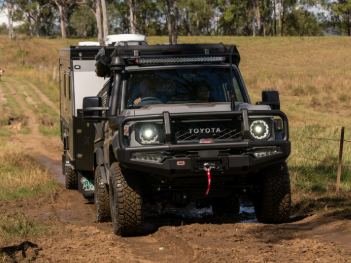
Australia offers some of the most breathtaking and rugged landscapes on the planet. From the red dirt tracks of the Kimberley to the endless stretches of the Simpson Desert, taking a 4WD off the beaten path is a rite of passage. However, tackling the outback requires more than just a sense of adventure. The harsh conditions demand a vehicle that is properly equipped to handle extreme terrain, unpredictable weather, and long stretches without support. Before you pack your swags and head out, understanding the necessary modifications for your 4WD is essential for a safe and successful journey. Planning ahead and building a capable vehicle will not only keep you safe but also make your travels far more comfortable.
Establishing Baseline Mechanical Health
It is incredibly tempting to jump straight into buying big tires and heavy-duty accessories. Yet, before you start bolting on heavy modifications, ensuring your 4WD’s foundational health is critical. Just as buyers prioritize quality inspections when sourcing reliable used vehicles for harsh climates, you must guarantee your vehicle is thoroughly serviced and mechanically sound before heading off-grid. Preventative maintenance is always cheaper and easier than performing an emergency repair in the middle of nowhere.
A baseline check should include inspecting fluid levels, examining belts and hoses, and ensuring the battery is in top condition. You should also check the condition of your alternator and starter motor, as these components are heavily taxed by dust and heat. Ignoring these basic maintenance steps can turn a minor mechanical failure into a major outback emergency. Only when your vehicle is completely reliable should you begin to upgrade its capabilities.
Upgrading Suspension and Tyres
Once your vehicle is mechanically sound, the next priority is addressing how it connects to the ground. Factory suspension systems are rarely designed to carry the constant, heavy loads associated with long-distance touring. Upgrading to a heavy-duty suspension kit will provide better ground clearance, improve ride quality over harsh corrugations, and ensure your vehicle remains stable under extra weight. This stability becomes incredibly important if you plan on towing a camping trailer across sandy tracks or rocky river crossings, as a robust suspension setup will prevent bottoming out and keep your load balanced. You may also want to consider a Gross Vehicle Mass (GVM) upgrade if you are adding substantial weight.
Paired with suspension, your choice of rubber is arguably the most important modification you can make. Swapping out standard highway tyres for high-quality Light Truck All-Terrain or Mud-Terrain tyres reduces the risk of punctures from sharp rocks and thick scrub. Ensure your tyres have thick sidewalls designed to withstand low-pressure driving. Remember to carry at least one full-sized spare, or two if you are heading into particularly remote regions.
Safe Towing and Compliance
Many off-road adventurers choose to tow their accommodation and gear to keep the main vehicle uncluttered. However, towing in off-road conditions introduces a host of new challenges. Upgrading your braking system is a must, especially if you are hauling extra weight. Slotted rotors and high-performance brake pads can help prevent brake fade on long, steep descents, while an electronic brake controller will give you better command over your load.
Furthermore, it is vital to ensure that whatever you are towing meets strict safety regulations. Major transport authorities like the Queensland Government enforce vehicle and road safety standards that mandate that trailers must be rigorously equipped with critical safety components such as compliant lighting, safety chains, and properly rated hitches. Ensuring your entire setup is legally compliant and mechanically safe prevents dangerous sway and potential accidents on the open highway.
Essential Protection and Recovery Gear
The Australian outback is notorious for animal strikes and hidden obstacles. Adding frontal protection, such as a sturdy steel or alloy bull bar, shields your radiator and engine components from catastrophic damage. Additionally, installing underbody bash plates will protect your sump and transmission from jagged rocks or deep ruts. Even with the best vehicle modifications, getting stuck is sometimes inevitable. Being self-sufficient is a core part of remote travel, so you must be prepared to recover your own vehicle.
Be sure to equip your vehicle with a comprehensive recovery kit before setting off. A basic setup should include:
- A set of high-quality recovery boards to help you drive out of soft sand or deep mud.
- A heavy-duty snatch strap and rated bow shackles for when another vehicle needs to pull you free.
- An air compressor and tyre deflator gauge, allowing you to drop tyre pressures for traction and reinflate them for the highway.
- A long-handled shovel for clearing dirt and debris from under the chassis.
- A comprehensive first-aid kit and emergency communication device, such as a satellite phone or UHF radio.
Preparing your 4WD for its first major outback trip is a highly rewarding process. By focusing on mechanical reliability, investing in quality suspension and tyres, ensuring towing safety, and carrying the right recovery gear, you set yourself up for a brilliant adventure. Take your time building the ultimate touring setup, respect the harsh conditions, and you will be ready to experience the very best that the Australian outback has to offer.