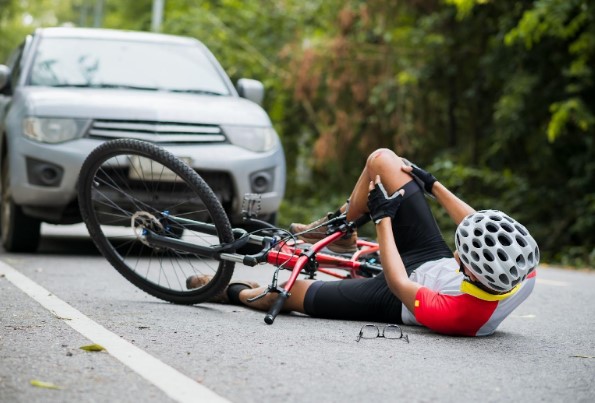
A bicycle collision shakes everything at once. The noise, the sudden stop, the confusion, and the worry all hit together. In those early minutes, most cyclists focus only on getting off the road and checking for injuries. But right at that moment, important choices are made. Some of these choices help protect your rights. Others make things harder later without you even noticing.
Indianapolis roads carry all kinds of traffic. Cars, buses, trucks, delivery vans, and cyclists all share the same space, especially in areas like Broad Ripple, downtown streets, and major intersections. This mix creates situations where even a small mistake by a driver can leave a cyclist hurt. That is why understanding your rights matters as much as the physical recovery. Cyclists can protect themselves by knowing what actions help build a clear and fair claim.
Check Yourself and Get Medical Care Early
Many cyclists try to walk it off or check only for obvious injuries. But bicycle collisions often cause hidden pain. Even a slow-speed crash can lead to headaches, neck pain, numbness, or soreness hours later. Getting medical help right away does two things. It protects your health. And it shows a clear link between the collision and the injuries. When this step is skipped, insurance companies may argue the injuries came from something else.
Gather Details Before the Scene Changes
Collision scenes change fast. Cars move, people leave, and traffic starts flowing again. Taking just a few minutes to collect basic details protects your side of the story.
Useful information includes:
- Photos of the road
- Vehicle damage
- The driver’s license plate
- Street signs
- Weather conditions
- Your damaged bike and gear
- Skid marks or broken pieces
These small details help explain what happened later, especially in Indianapolis, where road construction and sudden traffic shifts are common. Even simple reminders about a cyclist’s responsibilities after a collision help keep things clear.
Get Driver and Witness Information
Drivers may say they will “handle it later,” but things often change once they leave. Always collect the driver’s name, number, and insurance details. Witnesses can also help confirm what they saw. Their statements become important when both sides remember the event differently. Cyclists often forget to get witness names because they are shaken, but even one witness can support the facts in a strong way.
Avoid Making Quick Statements
Right after a collision, people sometimes apologize out of stress or confusion. Cyclists may say things like “I’m fine” or “It’s okay” without thinking about how those words may sound later. These comments can be misunderstood as accepting blame. Staying calm and sticking to the facts protects your rights. You do not need to explain anything at the scene. You only need to share basic information.
Keep Damaged Items as Evidence
Cycling gear shows the real impact of the collision. Torn gloves, cracked helmets, bent wheels, or ripped clothing help explain what you experienced. Many cyclists throw these items away because they look ruined. But these pieces become evidence for a bicycle accident claim. They show force, direction, and severity in a way that words often cannot.
Write Down Your Experience While It’s Fresh
Memory fades faster than people expect. Writing down what happened keeps your experience clear. You can note:
- What you saw
- How the collision happened
- The driver’s behavior
- Pain or symptoms that appeared later
- Any trouble with daily tasks
This simple record helps keep your story consistent.
Know When to Seek Guidance
Bicycle collisions sometimes involve larger questions. Maybe the driver was distracted. Maybe the road design played a role. Maybe your medical bills keep growing. These situations can feel overwhelming. This is why cyclists choose to seek legal help after a bicycle collision in Indianapolis, simply to understand their rights and avoid mistakes that might affect their claim.
Guidance does not mean you are starting a fight. It means you want a clear understanding of the process and the protections available to you.
A Clear Way Forward
Cyclists in Indianapolis face busy roads, unpredictable traffic, and drivers who may not always look for bikes. After a collision, protecting your rights comes down to a few steady steps: get medical care, collect details, save damaged items, avoid quick statements, and keep your own notes. These steps help keep your claim strong and reduce confusion later. And if the process feels complicated, asking for help gives you clarity, confidence, and a better path forward.