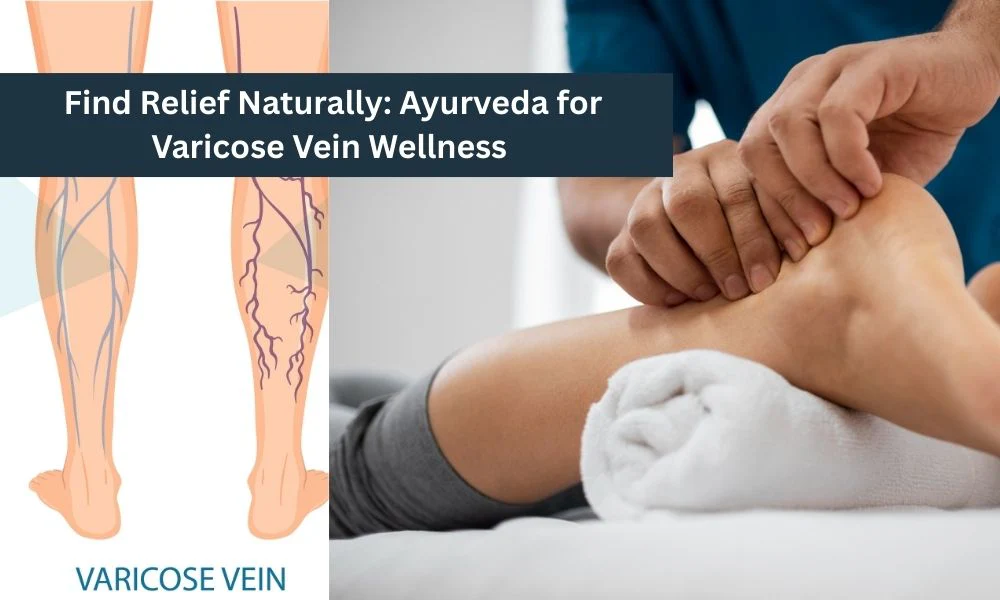
Varicose veins are a common condition that can impact comfort, mobility, and confidence. For professionals who spend long hours at desks, travel frequently, or manage busy teams, leg pain and visible bulging veins can be a constant distraction. Consulting a vein doctor near Webster can help assess your condition, guide diagnosis, and recommend effective treatments—ranging from lifestyle changes to minimally invasive procedures. This article explores who is at risk, how varicose veins develop, and the steps you can take to achieve lasting relief and maintain healthy legs.
What are Varicose Veins?
Varicose veins are enlarged, twisted veins that most often appear in the legs and feet. They occur when valves inside the veins weaken or fail, allowing blood to pool and the vein walls to stretch. Superficial veins, which lie close to the skin’s surface, are commonly affected, producing the characteristic blue or purple rope-like appearance.
While varicose veins are frequently seen as a cosmetic concern, they can also cause symptoms such as aching, heaviness, itching, or nighttime cramps. In many cases, they signal chronic venous insufficiency (CVI), a condition where impaired venous return leads to long-term skin changes or swelling. Understanding the mechanics, valve failure, increased venous pressure, and vein wall dilation helps clarify why some interventions focus on repairing valves, closing faulty vein segments, or improving circulation through conservative care.
Common Causes and Risk Factors
Several factors contribute to the development of varicose veins: some are unavoidable, while others are modifiable.
- Age: Vein walls and valves weaken with time, increasing prevalence among older adults.
- Genetics: A family history of varicose veins is one of the strongest predictors.
- Sex: Women are more likely to develop them, influenced by hormonal changes during pregnancy or menopause.
- Pregnancy: Increased blood volume and pressure from the uterus can enlarge veins. Many women see improvement after delivery, but not always.
- Occupation and Behavior: Jobs requiring prolonged standing or sitting raise venous pressure in the legs, relevant to professionals who travel or sit for long stretches.
- Obesity: Extra weight increases pressure on leg veins.
- Prior Deep Vein Thrombosis (DVT): Clots can damage valves and lead to chronic venous problems.
Recognizing risk factors helps prioritize prevention, especially for people whose work routines or lifestyle elevate their odds. Small workplace adjustments, targeted exercise, and weight management can reduce progression.
Symptoms, Complications, and When to See a Doctor
Symptoms range from purely visual concerns to painful, limiting conditions:
- Common symptoms: Visible bulging veins, aching or heavy legs, swelling (especially after long periods of standing), itching, and restless legs at night.
- Complications: Untreated severe venous disease can lead to skin discoloration, lipodermatosclerosis (skin hardening), chronic ulcers, and superficial thrombophlebitis (painful inflammation of a superficial vein).
When to seek medical attention:
- Increasing pain, swelling, or redness around a vein.
- Non-healing skin changes or ulcers near the ankle.
- Sudden, severe leg pain and swelling, especially after immobility or surgery, could indicate a DVT and require urgent evaluation.
Early evaluation prevents progression. For many working professionals, addressing symptoms promptly avoids productivity loss and reduces the risk of requiring more intensive treatment later.
Diagnosis and Medical Treatment Options
Diagnosis usually begins with a focused history and physical exam. The clinician inspects the legs while the patient stands and may ask about symptom patterns. Duplex ultrasound is the diagnostic mainstay: it maps vein anatomy, assesses reflux (backward blood flow), and rules out deep vein thrombosis. Medical treatment options span conservative measures to procedural interventions, chosen based on symptom severity, anatomy, and patient goals.
Minimally Invasive Procedures (Endovenous Ablation, Sclerotherapy)
Endovenous thermal ablation (radiofrequency or laser) uses heat delivered inside the vein to close it. It’s performed under local anesthesia, has a quick recovery, and is effective for refluxing saphenous veins. Ultrasound-guided foam sclerotherapy involves injecting a sclerosant into the affected vein to cause closure and eventual absorption. Both are outpatient procedures with low complication rates and are commonly first-line when intervention is warranted.
Medications and Compression Therapy
While medications don’t cure varicose veins, venoactive agents can reduce symptoms in some patients. Compression stockings remain a cornerstone: graduated compression improves venous return, reduces swelling, and can alleviate discomfort. Proper fit and adherence are essential; many patients need guidance on stocking selection and wear schedules.
Conservative and At-Home Relief Strategies
Before or alongside procedural care, conservative measures provide meaningful symptom relief and may slow progression:
- Regular movement: Short walks, calf raises, or ankle pumps every 30–60 minutes counteract venous stasis for those sitting or standing long hours.
- Leg elevation: Raising the legs above heart level for 15–20 minutes a few times daily reduces swelling after a long day.
- Compression stockings: Wearing graduated compression during work hours helps reduce fatigue and swelling, especially for people who travel frequently or have prolonged standing jobs.
- Weight management and a balanced diet: Lowering excess weight decreases venous pressure.
- Avoiding tight clothing at the groin or waist and high heels for prolonged periods: These habits can impair venous return.
Practical tips for busy professionals: keep a pair of compression stockings at the office, set calendar reminders to stand and stretch hourly, and use a carry-on-friendly footrest during travel to enable periodic leg elevation. Small, consistent habits make a measurable difference.
How to Choose the Right Specialist and Treatment Plan
Choosing an appropriate provider is critical. Specialists who manage varicose veins include vascular surgeons, interventional radiologists, and phlebologists. When evaluating a clinic or practitioner, consider these criteria:
- Board certification and procedural volume: Experience correlates with outcomes.
- Use of duplex ultrasound in-office: Accurate mapping is essential for targeted treatment.
- Range of options: Seek clinicians who offer minimally invasive endovenous treatments, sclerotherapy, and surgical options, so the plan is tailored rather than one-size-fits-all.
- Transparent costs and clear recovery expectations: Employers and entrepreneurs appreciate predictable downtime and pricing.
- Follow-up care and complication management: Good practices include postoperative duplex checks and prompt access to the team for concerns.
For professionals managing client work or tight schedules, ask about same-day procedures, typical return-to-work timelines, and whether the clinic coordinates with occupational health if needed. A thorough consultation will review symptoms, ultrasound findings, and a recommended stepwise plan with risks and benefits.
Conclusion
Varicose veins are common and often manageable. Many patients find meaningful relief through a combination of lifestyle changes, compression therapy, and minimally invasive procedures that require little downtime. The key is early evaluation: diagnosing reflux and mapping anatomy with duplex ultrasound allows targeted treatment and prevents progression to complications.
Readers should prioritize a specialist who offers a full range of modern treatments and clear guidance on recovery, especially those balancing busy professional lives. With the right plan, most people return quickly to work and day-to-day activities with reduced symptoms and improved confidence.