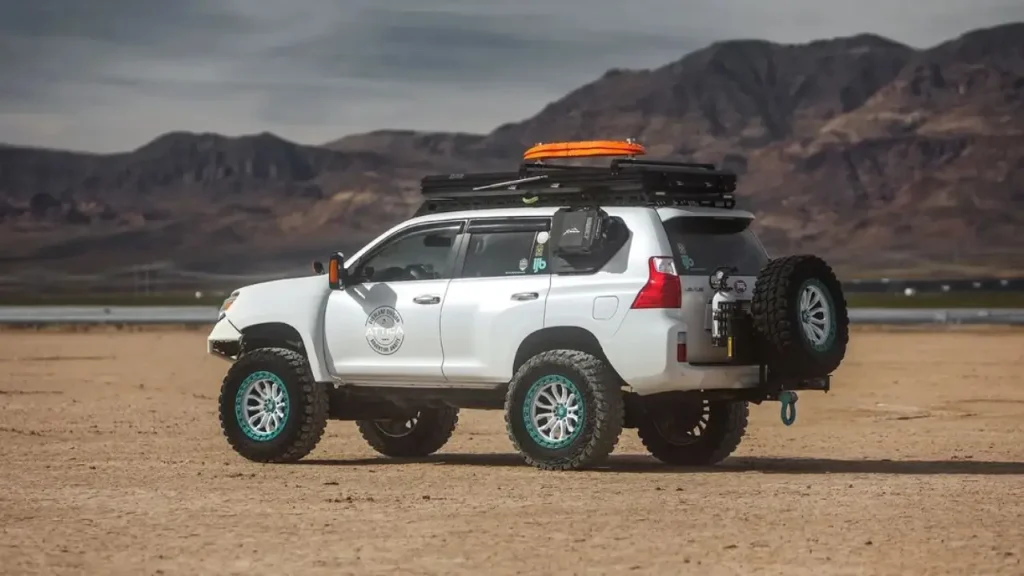
Australia offers some of the most spectacular remote tracks in the world, drawing thousands of adventurers to the outback every year. However, transitioning a standard daily commuter into a capable off-grid tourer requires careful planning. While it is tempting to bolt on every aesthetic accessory available, true off-road preparation focuses on safety, mechanical reliability, and everyday camp comfort. Building a dependable four-wheel drive means balancing heavy payloads with functional living spaces, ensuring you can travel to remote destinations and return home safely without a hitch.
Safe Storage for Camp Kitchen Essentials
Attention often naturally turns to the lifestyle aspect of touring right away. Setting up a functional camp kitchen is a highlight of any off-grid adventure, allowing you to cook comfortable meals under the stars. However, powering that kitchen usually requires Liquid Petroleum Gas, which introduces significant transport risks if not managed correctly.
Government authorities are very clear about the dangers of carrying flammable fuels inside enclosed spaces. According to official guidelines regarding liquid petroleum gas (LPG) safety, portable cylinders have been known to ignite or explode inside vehicles, even when the bottles were thought to be empty and turned off. Because of this severe risk, regulations mandate that LPG must always be transported in open-air cargo areas, such as an open ute tray or a trailer, rather than inside the passenger cabin.
To comply with these vital safety rules while keeping your setup practical, dedicated exterior storage is a non-negotiable upgrade. Mounting a robust, lockable gas bottle holder to the rear or side of your canopy ensures the cylinder remains completely upright and secure on rugged tracks. This placement keeps any potential gas venting safely in the open air, well away from passengers and sleeping quarters. It also keeps your fuel source highly accessible for quick meal preparations when you pull into camp after a long day of driving.
Fortifying the Mechanical Foundation
Before you start adding heavy ute canopies, bullbars, and additional camping gear, you must ensure your base vehicle is mechanically flawless. The extra weight of off-road modifications puts an immense amount of stress on factory components, particularly the braking and transmission systems. When navigating steep, rocky inclines or towing a camper trailer, you need complete confidence in your stopping power and gear engagement.
Rebuilding critical systems with high-quality components is an essential first step. For example, replacing worn seals and hardware with a dependable Seiken repair kit helps maintain manufacturer-level vehicle safety. This ensures your four-wheel drive can handle the extra touring payload safely, preventing dangerous fluid leaks and maintaining optimal mechanical performance when you are hundreds of kilometres from the nearest mechanic. It is always better to over-engineer your braking systems than to find out they are inadequate on a steep mountain descent.
Essential Modifications for Remote Touring
Beyond mechanical health and gas safety, a successful off-road build requires a few more targeted upgrades to handle harsh Australian conditions. Every modification should serve a specific purpose, prioritising endurance and self-sufficiency over mere aesthetics. The outback is unforgiving, so your gear needs to be tough enough to withstand corrugated roads, extreme heat, and heavy dust.
Consider investing in the following crucial upgrades before your next major trip:
- Gross Vehicle Mass (GVM) Suspension: Factory suspension is rarely designed to carry the constant weight of water tanks, toolboxes, and camping gear. A GVM upgrade provides the necessary load-bearing capacity and ground clearance required for heavily laden vehicles, preventing dangerous sagging and bottoming out.
- All-Terrain Tyres: Standard road tyres are highly susceptible to punctures from sharp rocks and sticks. Light Truck constructed all-terrain tyres feature thicker sidewalls to survive punishing outback roads and improve traction on loose surfaces like sand and mud.
- Dual Battery Systems: Running a fridge, camp lighting, and charging devices requires an independent power source. A dual battery setup, combined with roof-mounted solar panels, ensures you never accidentally drain your primary starter battery while enjoying modern conveniences off the grid.
- UHF Communication: Mobile phone reception is practically nonexistent in remote areas. A high-quality UHF radio and antenna setup is your primary lifeline for communicating with other drivers, calling for assistance, and monitoring road conditions or oversized transport vehicles.
- Recovery Equipment: Even the most capable vehicles can get stuck in soft sand or deep mud. A comprehensive recovery kit, including rated snatch straps, recovery boards, and a reliable winch, is essential for self-rescue when travelling solo.
Transforming a vehicle for off-road travel is a rewarding process that significantly enhances your outdoor lifestyle. By prioritising mechanical reliability, adhering to strict storage safety standards, and investing in purpose-built touring gear, you create a highly capable mobile basecamp. Proper preparation gives you the ultimate peace of mind, allowing you to focus completely on enjoying the incredible Australian landscapes ahead.