Artificial intelligence (AI) and machine learning (ML) have transformed countless industries, driving innovation and automation at an unprecedented pace. Central to this revolution is the ability of AI systems to perceive, interpret, and act on visual data a task made possible through the meticulous process of image annotation. Whether it’s enabling autonomous vehicles to recognize pedestrians or helping medical AI detect anomalies in radiographs, image annotation services play a crucial role in bridging raw data and intelligent decision-making.
This article explores how image annotation fuels AI and ML applications, the challenges involved, and how it integrates with cutting-edge advancements like generative AI to propel industries forward.
What is Image Annotation?
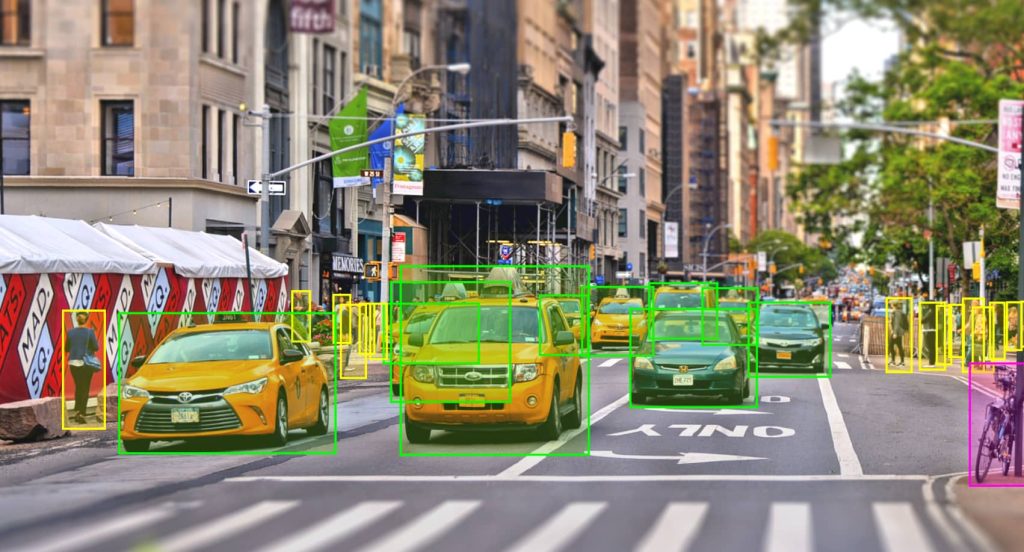
Image annotation is the process of labeling objects, features, or regions within images to provide meaningful context to machine learning models. These labels can take many forms, such as bounding boxes around vehicles, polygons tracing tumor boundaries in medical scans, or pixel-level classification in satellite imagery.
The annotated images become the foundation upon which computer vision models learn to recognize patterns, classify objects, and make predictions. Without accurate and comprehensive annotations, AI systems cannot reliably understand visual inputs, a critical limitation for applications that require high precision and safety.
The Vital Role of Image Annotation Services in AI
1. Training Accurate and Robust Models
Machine learning models require large volumes of high-quality labeled data to detect subtle differences between classes and generalize well to new inputs. Image annotation services ensure that datasets are annotated consistently and accurately, directly impacting the model’s effectiveness in real-world environments.
2. Enabling Diverse Applications
From retail and manufacturing to healthcare and autonomous driving, image annotation underpins a vast array of use cases:
- Retail: Detecting products on shelves, analyzing shopper behavior, or optimizing inventory management.
- Healthcare: Identifying tumors, segmenting organs, and assisting in diagnostics through medical imaging.
- Autonomous Vehicles: Recognizing traffic signs, pedestrians, and obstacles to support safe navigation.
- Agriculture: Monitoring crop health and classifying plant diseases through drone imagery.
The quality of annotations affects how well AI models perform in these varied and complex scenarios.
Types of Image Annotation
To meet different AI goals, multiple annotation techniques are employed:
- Bounding Boxes: Simple rectangles around objects of interest, commonly used for object detection.
- Polygon Annotation: More precise outlines for irregular shapes, such as animals or buildings.
- Semantic Segmentation: Assigns a class label to every pixel, useful for detailed scene understanding.
- 3D Cuboids: Used in autonomous driving to locate and size objects within 3D space.
- Landmark Annotation: Marks key points, like facial features or anatomical landmarks.
Each method enhances the ability of AI systems to extract relevant insights from visual data.
Challenges in Image Annotation
Despite its importance, image annotation faces several hurdles:
- Scale and Volume: Annotating millions of images manually is time-consuming and resource-intensive.
- Consistency and Accuracy: Different annotators may interpret images differently, leading to variability in labels.
- Complexity of Visual Data: Objects may overlap, be partially visible, or vary in appearance due to lighting or occlusion.
- Domain Expertise: Specialized fields like medical imaging require expert annotators familiar with specific knowledge.
Addressing these challenges involves leveraging annotation platforms that combine automation with human validation, along with continuous training for annotation teams.
The Intersection of Image Annotation and Generative AI
Recent advances in generative AI are reshaping how annotated data is produced and utilized. Generative models can synthesize realistic images or augment existing datasets, alleviating some challenges related to data scarcity and diversity. This synergy is particularly notable in high-stakes areas like autonomous driving, where gathering rare edge-case scenarios is difficult.
By incorporating synthetic data generated through AI alongside expertly annotated real-world images, model developers achieve greater robustness and adaptability. This combined approach accelerates training cycles and improves AI’s capacity to handle unexpected conditions.
Explore the evolving Role of Generative AI in Autonomous Driving Innovation to understand how these technologies converge to enhance machine learning outcomes.
Real-World Impact of Quality Image Annotation
The success stories of AI applications often trace back to the foundation laid by precise image annotation:
- Autonomous cars that can safely navigate complex urban streets.
- Medical diagnostic tools that detect diseases earlier and more accurately.
- Retail solutions that optimize shelf space and reduce stockouts.
- Environmental monitoring systems that track deforestation or pollution.
In each case, well-annotated image data ensures AI systems operate with reliability, safety, and efficiency.
Conclusion
Image annotation services are more than a preparatory step; they are the engine powering AI and machine learning’s ability to interpret and act on visual data. From labeling millions of images to crafting intricate annotations for specialized applications, the process shapes the accuracy and effectiveness of AI models across industries.
As AI continues to evolve, the integration of advanced techniques like generative AI further amplifies the value of annotation, enabling systems to learn from a richer and more diverse set of data. Investing in quality annotation services today lays the groundwork for tomorrow’s smarter, safer, and more capable AI-driven technologies.