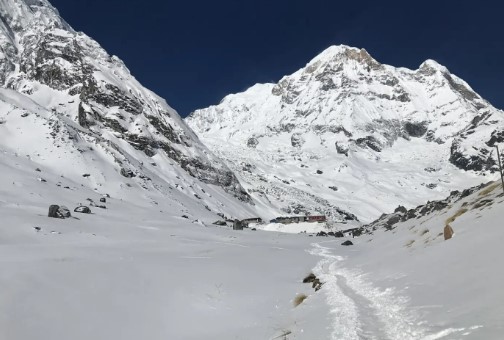
Also known as the Annapurna Sanctuary Trek or ABC Trek, the Annapurna Base Camp trek is one of Nepal’s most popular hiking routes. Not only does it offer stunning views of the Annapurna range, but it also passes through lush forests, flowing rivers, and traditional villages.
However, the Annapurna Base Camp trek demands proper preparation and careful planning. The trail can be challenging and physically demanding with steep climbs, long days of walking, and changing weather. Altitude can also affect trekkers who are not acclimated, making hydration and pacing important.
Nonetheless, with regular training, the right gear, experienced guides, and a clear understanding of the route, the trek becomes manageable and highly rewarding. By preparing physically, carrying essentials, and knowing what to expect each day, trekkers can enjoy the journey safely.
Is the Annapurna Base Camp Trek Right for You?
While the Annapurna Base Camp trek offers stunning mountain views and a scenic trail, it can be challenging for trekkers who are not well-versed in the physical and mental demands of this trek.
The route involves long walking days, steady climbs, and regular changes in altitude. Weather conditions can shift quickly, especially at higher sections of the trail, leading to cold mornings and reliance on basic facilities along the route.
These conditions make fitness and stamina important, as trekkers often walk for several hours each day on uneven paths. The Annapurna Base Camp trek involves many walking days, which makes planning enough time important.
Allowing space for rest and proper altitude adjustment helps reduce strain on the body. Choosing the right season also plays a role, as weather patterns and crowd levels can affect comfort as well as pacing.
Understanding these factors early can help trekkers decide whether the Annapurna Base Camp trek fits their fitness level, schedule, and comfort with challenging conditions. The table below shows what trekkers should consider before committing to the Annapurna Base Camp trek.
Trek Overview Table
| Factor | What Trekkers Should Know |
| Trek difficulty | The Annapurna Base Camp trek is rated moderate and suits trekkers with basic hiking experience and good fitness. |
| Daily effort | Expect several hours of walking each day on stone steps, forest paths, and mountain trails. |
| Maximum altitude | The trek reaches up to 4,130 meters, where altitude awareness and proper pacing are important. |
| Total duration | The journey spans multiple days, including trekking days, rest days, and travel time. |
| Physical preparation | Regular walking, stair climbing, and cardio training help handle long trekking days. |
| Weather conditions | Temperatures drop as altitude increases, especially in the early morning and evening hours. |
| Best trekking season | Spring (March to May) and autumn (September to December) offer stable weather and clear views. |
| Group flexibility | The trek can be done solo or in small groups, starting with a minimum of one person. |
5 Tips to Prepare for the Annapurna Base Camp Trek
Let’s face it, proper preparation can make or break the Annapurna Base Camp trek. Without the right planning, trekkers often struggle with exhaustion, low energy, and difficulty adjusting to sustained walking at altitude.
Poor preparation can also lead to packing mistakes, unrealistic daily expectations, and increased risk of discomfort or early turnaround.
Training the body, understanding personal limits, and planning logistics in advance help reduce avoidable stress on the trail. Besides, strong preparation sets the foundation for a safer, more controlled trekking experience and allows trekkers to focus on the journey rather than the challenges.
Here are five tips to prepare for the Annapurna Base Camp trek.
1. Prepare physically
It goes without saying that trekking to Annapurna Base Camp can be challenging and physically demanding. This makes proper preparation, fitness training, and in-depth planning vital for a safe and enjoyable experience.
Proper physical preparation reduces fatigue, prevents injuries, and helps you enjoy the trek. Focus on strengthening your legs, improving endurance, and building overall stamina before you start.
To make training easier to follow, break it down into specific exercises as well as practice routines:
- Cardio training
- Walk 30-60 minutes daily
- Jog or run 2-3 times per week
- Cycle or use a stair climber to boost endurance
- Leg strength
- Squats and lunges to target thighs and glutes
- Step-ups on stairs or benches
- Calf raises to strengthen lower legs
- Back and core
- Planks, as well as side planks, for core stability
- Carry a weighted backpack on short walks
- Practice hikes
- Hike on trails with elevation gain
- Carry your full backpack during training hikes
- Gradually increase distance and difficulty
Proper physical preparation ensures your body can handle daily trekking demands, reduces the risk of injury, and makes the journey more enjoyable.
2. Hire a local guide
When it comes to trekking the Annapurna Base Camp, hiring a local guide can make the experience safer, smoother, and more enjoyable. A knowledgeable guide provides insights about the trail, helps with navigation, and ensures trekkers are prepared for challenges along the way.
- Trail navigation and safety: Local guides know the trails, shortcuts, and possible hazards, helping trekkers avoid getting lost and ensuring safe passage through difficult or unfamiliar sections.
- Cultural and local knowledge: Guides share information about villages, traditions, and local life, giving trekkers a richer experience of the Annapurna region.
- Logistics and support: A local guide assists with teahouse arrangements, permits, and emergency planning, reducing stress and allowing trekkers to focus on the trek.
Hiring a local guide adds both safety and value, making the Annapurna Base Camp trek more manageable and rewarding.
3. Pack the right trekking gear
Since weather and terrain can be unpredictable on the Annapurna Base Camp trek, having the right gear is essential. Proper equipment keeps trekkers safe, comfortable, and prepared for the challenges of high-altitude trekking. Thoughtful packing also reduces fatigue and lets you focus on enjoying the trail.
To make packing easier, here’s a list of essential gear to bring for the trek.
Gear Checklist Table
| Gear Category | What to Pack |
| Footwear | Sturdy trekking boots |
| Clothing | Layered clothes (base layers, fleece, waterproof jacket, and thermal wear) |
| Backpack | Daypack 30–40L |
| Accessories | Hat, gloves, and sunglasses |
| Gear | Trekking poles and a water bottle |
| Health | First aid kit, sunscreen, and altitude medication |
Having the right gear ensures a safer, more comfortable, and more enjoyable Annapurna Base Camp trekking experience.
4. Plan your trip early
Planning your Annapurna Base Camp trek in advance ensures a smoother and more enjoyable experience.
Start by securing permits, booking transportation, and arranging accommodations well before departure. Early preparation also gives time to research local guides, teahouses, and emergency options, so you know what to expect on the trail.
With all arrangements sorted ahead of time, trekkers can focus on walking, enjoying the scenery, and handling challenges confidently.
5. Plan realistic daily distances
Setting achievable daily goals is key to completing the Annapurna Base Camp trek without overexertion. An experienced and skilled guide can create a daily plan tailored to your fitness level as well as the trail conditions, helping make each day easier and more enjoyable.
Use the following steps to plan your walking distances effectively:
- Check trail difficulty: Review each part of the trail, including steep climbs, rocky paths, and river crossings, to know how much effort is needed.
- Estimate walking time: Plan 4-6 hours for moderate days and 6-8 hours for long uphill stretches, including short breaks.
- Include rest breaks: Schedule stops every 1-2 hours to hydrate, eat snacks, and replenish energy.
- Allow altitude adjustment: On days with big altitude gains, reduce distance or pace to prevent headaches or dizziness.
Planning realistic daily distances helps maintain energy, prevents altitude-related issues, and ensures you enjoy the trek safely from start to finish.
Common Questions About the Annapurna Base Camp Trek
- What gear is essential for the trek?
Layered clothing, hiking boots, warm jackets, gloves, and a hat are important. A sleeping bag, trekking poles, and a small backpack with water, snacks, and first-aid supplies are also recommended.
- How can altitude sickness be avoided on the Annapurna Base Camp trek?
Acclimatize gradually, drink plenty of water, and rest when needed. Avoid rushing to higher altitudes, eat light meals, and watch for symptoms like headache or nausea.
- How much does the Annapurna Base Camp trek cost?
Costs vary depending on guides, porters, accommodation, and permits. On average, trekkers spend mainly on food, accommodation, permits, and guide services, with additional costs for personal gear and travel to Nepal.
- Is it necessary to hire a guide for the Annapurna Base Camp trek?
Yes, it’s recommended. A guide provides local knowledge, helps with navigation, arranges teahouse stays, and ensures safety. For first-time trekkers, having a guide makes the journey smoother and more enjoyable.
Conclusion
The Annapurna Base Camp trek is truly an unforgettable journey, but successful completion depends on preparation, planning, and knowing the challenges you may face. Proper physical training, the right gear, realistic daily goals, and understanding altitude effects make the trek safer and more enjoyable. Hiring a local guide and planning logistics in advance further reduces stress and ensures smooth travel.
By taking the time to prepare, trekkers can focus on the stunning landscapes, peaceful villages, and unique experiences along the trail. With careful planning, the Annapurna Base Camp trek becomes a rewarding adventure that stays with you for a lifetime.
Are you planning to trek to Annapurna Base Camp and want expert guidance for a smooth and safe journey?
I personally recommend a trusted trekking company in Nepal, Nepal Hiking Team, as they have strong reviews on TripAdvisor, Trustpilot, and their GBP profile, and have helped many trekkers complete the trek safely. You can contact them directly via WhatsApp at +977 9851058678.