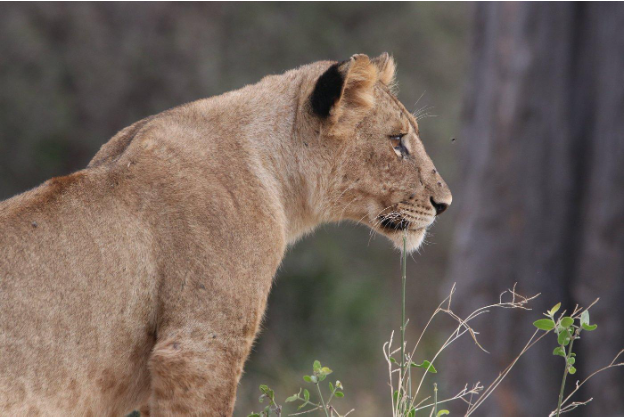
The engine hums softly in the cold dawn air. Everyone is standing slightly, scanning the tall grass. Cameras ready. Breath visible in the morning chill. Nothing moves.
For a moment, it feels almost too quiet.
Then, a flick is barely noticeable. Grass parts. A lion lifts its head, golden eyes catching the first light. The stillness breaks, and suddenly the entire scene changes.
Serengeti Safari Sightings don’t follow a script, and that’s exactly why they feel real.
Out on the plain of Serengeti National Park, nature doesn’t perform on cue. It unfolds in its own time.
What “Unpredictable” Really Means on Safari
It’s not bad luck nature is simply busy doing its own thing.
When people talk about unpredictable Serengeti safari sightings, they often imagine missed opportunities. But unpredictability is just wildlife responding to its ever-changing nature.
Animals shift for practical reasons:
- Moving toward water as temperatures rise
- Seeking shade when the sun grows harsh
- Adjusting routes for safety
- Hunting when opportunity presents itself
No experienced guide will ever promise a specific animal at a specific hour. On the same morning, two vehicles can drive similar tracks and witness completely different moments. One sees cheetahs on the move. Another one finds elephants at a waterhole.
That’s the beauty of the Serengeti game drive experience: you’re stepping into a living system, not a staged show.
The Quiet Factors That Change Sightings Fast
A small change in weather, light, and wind can completely reshape a drive. Tanzania Weather control everything. A cool morning extends predator activity. Cloud cover reduces heat and keeps herds moving long. Rain from the previous night can draw grazing animals toward fresh growth.
Wind direction changes scent patterns. If prey animals catch the smell of a predator too soon, the entire scene dissolves before it even begins.
Even visibility plays a huge role. After a controlled grass burn, the plains open up. Dusty roads can reveal movement from far away. Subtle environmental change often explains why yesterday’s hotspot feels empty today. The land is constantly adjusting, and wildlife respond accordingly.
Lion Behaviour in the Wild: Why You Hear Them Before You See Them
Sometimes the sound reaches you first, low, steady, and closer than expected.
Understanding Lion behavior in the wild revealswhy this behaviour happens. At dawn, lions roar to mark territory and reconnect with pride members. Cool morning air carries sound across surprising distances.
On a wildlife soundscape safari, the bush becomes an orchestra. Impala snort alarms. Hyenas whoop in the distance. Birds suddenly lift. Before you see anything, you feel them first.
A powerful Serengeti lion experience often begins with listening. Lions choose specific resting areas which are slightly elevated, shaded trees, and proximity to a movement route. Once you understand these patterns, unpredictability begins to feel more like a puzzle rather than chaos.
This sensory layer defines a meaningful Tanzania wildlife sound safari.
Migration Movements and Predator Timing
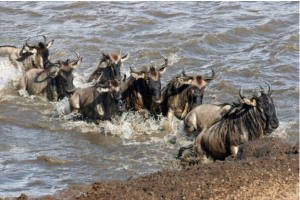
The herds move, and everything rearranges behind them.
Seasonal migration isn’t random wandering. It follows rainfall, grass quality, and water availability. As prey animals shift across different Tanzania Destinations, predators follow.
Lions adjust territories. Cheetahs reposition. Hyenas trail behind. Even vultures become indicators, circling where opportunity might be forming next.
There is no single permanent best area. What works one week may shift the next. Even during what’s widely considered the Best Time to Visit Tanzania, movement remains fluid.
That dynamic rhythm shapes every Tanzania big cats safari. Timing is never static. It’s always adjusting.
The Guide’s Skill: Reading Signs Without Forcing Nature
Great guides don’t chase sighting; they read the bush like a story.
Experienced Tanzania Travel Guides notice what others overlook:
- Fresh track crossing a dusty road
- Alarm calls breaking normal bird chatter
- Vultures descending lower than usual
- Droppings still warm
- Grass bent in a particular direction
Sometimes they stop the engine and simply listen.
Ethical tracking means interpreting signs without disturbing natural behaviour. Responsible positioning protects wildlife while enhancing its authenticity.
This approach transforms a simple outing into a layered Tanzania Safari Experience.
How to Enjoy the Surprise Without Feeling Lost
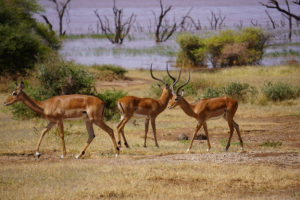
The best sightings usually happen when you stop trying to control them. On an early morning safari in Tanzania, patience is more powerful than urgency. Keep your camera ready, but also allow yourself to observe without rushing to capture. Notice smaller stories: a jackal trotting through mist, birds reacting to unseen movement, shifting light on distant kopjes.
When you release the need for certainty, unpredictability becomes anticipation instead of frustration.
That mindset deepens every moment.
- If you want to experience safari the way it was meant to feel, choose an early morning safari in Tanzania drives built around quiet listening, fresh tracks, and big-cat movement windows.
- Plan thoughtfully across key Tanzania Destinations, and prioritise time with knowledgeable Tanzania Travel Guides who value patience over pressure. Because the magic often appears when you’re willing to wait for it.
CONCLUSION
Unpredictability is what makes a true Serengeti lion experience feel earned.
When you tune into wind, sound, tracks, and subtle patterns, the safari becomes more than a search; it becomes understanding.
A meaningful Tanzania Safari grow rich when you pay attention to signs instead of chasing guarantees.
That is the quiet power behind unforgettable Serengeti Safari Sightings.