Aplastic anemia is a rare, life-threatening blood disorder characterized by the failure of the bone marrow to produce sufficient new blood cells. When the body’s hematopoietic stem cells are damaged—often due to an aberrant autoimmune response—patients are left highly vulnerable to severe fatigue, uncontrollable bleeding, and life-threatening infections. Because the condition drastically compromises the immune system and oxygen delivery, rapid intervention is essential. Leading medical facilities, such as Liv Hospital, are at the forefront of deploying sophisticated cellular therapies to combat this severe disease, offering patients a renewed chance at long-term survival.
The Biological Mechanism of Marrow Depletion
Inside healthy bone marrow, dynamic stem cells continuously divide and mature into three vital blood components: red blood cells (which carry oxygen), white blood cells (which fight infection), and platelets (which control bleeding). In aplastic anemia, the bone marrow environment becomes severely depleted. Instead of a bustling factory of cellular production, the marrow space is largely replaced by fat cells. This results in a clinical state known as pancytopenia, where all three blood cell lines drop to dangerously low levels.
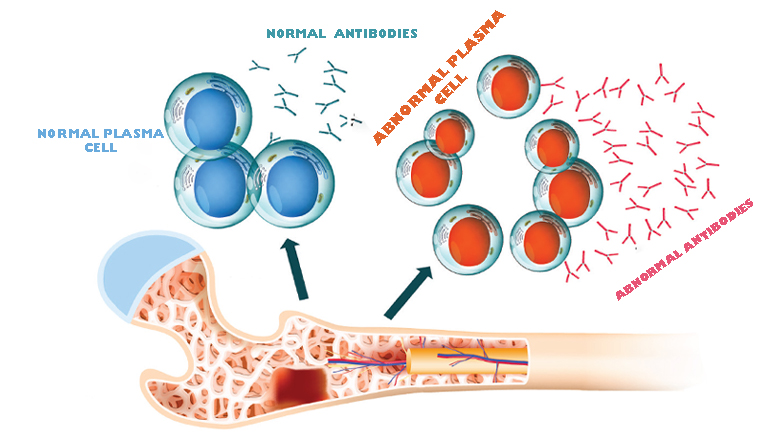
As depicted in the visual comparison, the diseased marrow on the right lacks the critical density of developing blood cells. Without these essential components, the circulatory system is left unsupported, triggering the extreme symptoms associated with the disease.
The Shift to Advanced Cellular Treatments
For mild cases, physicians might manage the condition with blood transfusions and medications that suppress the hyperactive immune system. However, for severe or very severe aplastic anemia, particularly in younger individuals, these supportive measures are often insufficient. In these critical scenarios, a bone marrow transplant becomes the most viable, curative option.
When searching for specialized care pathways, patients often explore Stem Cell Aplastic Anemia treatments to completely replace the defective marrow. By introducing healthy, fully functional donor stem cells into the patient’s bloodstream, medical teams aim to entirely reboot the body’s blood-producing capabilities.
Donor Matching and Pre-Transplant Conditioning
The success of an allogeneic stem cell transplant heavily depends on finding a suitable donor. Physicians rely on Human Leukocyte Antigen (HLA) typing to match the genetic markers of the donor and recipient as closely as possible. Medical teams typically look toward matched siblings first, but if none are available, they expand the search to international donor registries.
Once a compatible match is secured, the patient enters the rigorous conditioning phase. This preliminary step involves targeted chemotherapy and, in some protocols, radiation therapy. The goal of conditioning is twofold: it purposefully suppresses the patient’s remaining, faulty immune system to prevent the rejection of the incoming donor cells, and it clears out the diseased bone marrow spaces to make physical room for the new, healthy stem cells to take root.
The Infusion and Engraftment Phase
The actual transplantation is far less invasive than a traditional surgical procedure. The collected donor stem cells are infused directly into the patient’s bloodstream through a central venous catheter, much like a standard blood transfusion. Following the infusion, the stem cells instinctively navigate through the bloodstream and settle into the hollow spaces of the bones.
This critical period, known as the engraftment phase, requires immense patience. It typically takes two to four weeks for the new cells to establish themselves and begin producing a steady supply of fresh red blood cells, white blood cells, and platelets. During this highly vulnerable window, patients remain in specialized, positive-pressure hospital isolation rooms to protect them from opportunistic infections while their immune defenses are practically non-existent.
Managing Long-Term Recovery
Even after successful engraftment, the journey requires intensive medical oversight. One of the primary long-term risks associated with receiving donor cells is Graft-Versus-Host Disease (GVHD). This condition occurs when the newly transplanted immune cells perceive the recipient’s own tissues and organs as foreign and launch an immune attack against them.
To mitigate this risk, patients are prescribed carefully monitored regimens of immunosuppressive medications. The outpatient recovery phase demands frequent blood tests to ensure sustained cellular production and to swiftly address any complications. Over the course of the following year, the new immune system gradually matures. This slow stabilization allows patients to safely taper off medications and rebuild their strength through structured physical rehabilitation and strict dietary guidelines.
The transformation from severe bone marrow failure to sustained hematological health represents a profound achievement in modern medical science. Through meticulous donor matching, precise pre-transplant conditioning, and rigorous post-procedural care, patients facing severe blood disorders are given a remarkable opportunity to reclaim a functional, healthy life. The continued evolution of cellular science ensures that this intensive therapeutic pathway remains a powerful medical intervention for those diagnosed with complex marrow failure syndromes.