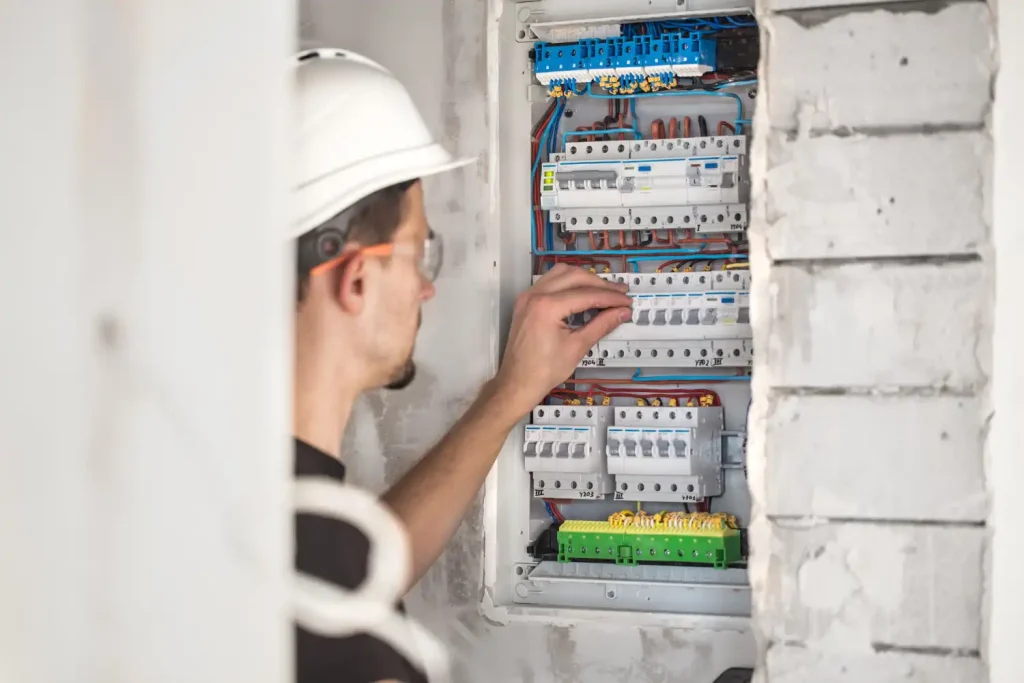
There’s something about flicking a switch and having the lights come on that feels magical, isn’t there? But behind that everyday miracle lies a whole world of electrical safety standards that homeowners simply must get their heads around. Let’s chat about what it means to keep your home electrically safe in Australia, and why it’s more important than you might think.
The Basics of Electrical Safety Standards
When you’re settled into your comfy chair, remote in hand, and decide to binge-watch a series, you probably don’t spare a thought for the wiring in your walls. But each time you plug in your laptop or charge your phone, those unseen wires are crucial. Australia has a comprehensive set of electrical safety standards designed to keep us all snug and safe at home.
Standards like AS/NZS 3000, known as the Wiring Rules, lay down the law about how electrical installations should be set up. These guidelines cover everything from the size of wires to how circuits should be installed, ensuring that all electrical work meets rigorous safety measures. Whether you live in a modern flat or an older home, following these standards helps prevent electrical hazards.
Common Electrical Hazards to Watch Out For
Now, let’s get real. Electrical hazards can be sneaky. One minute everything’s hunky-dory, and the next you’re dealing with a DIY disaster. A few common culprits include:
- Overloaded Circuits: Plugging too many things into a single socket can lead to overheating. Think of it like a friend who’s overstayed their welcome at a party—eventually, they’ve got to go!
- Exposed Wiring: If wiring’s hanging out like an awkward family photo, it’s time to take a closer look. Exposed wires can lead to shocks or, worse, fires.
- Inadequate Grounding: Imagine trying to walk on shaky ground. Poorly grounded systems can result in electrical spikes and make your appliances more vulnerable to damage.
DIY or Call a Pro? A Fine Balance
Handy with a screwdriver? You might be tempted to tackle electrical issues yourself, but it’s often best to let the professionals handle it. Sure, there’s a sort of satisfaction that comes from fixing up nagging issues around the house, but many electrical tasks require a knack and understanding that goes beyond the surface. Plus, if things go wrong, you could come face-to-face with serious hazards.
If you’re in a pickle, consider reaching out to a certified level 2 electrician. These professionals are trained to handle more complex electrical work, including anything from connecting your home to the electricity supply to disconnecting electrical services safely. And when you’re relying on something as vital as electricity, it’s soothing to know you’ve got a qualified expert on your side.
How to Spot a Good Electrician
If you find yourself needing professional assistance, don’t just pick the first name you see on Google. Here’s what to look for: a good electrician will have the right qualifications, preferably a license from the electrical authority in your state. They should also carry insurance, just in case things take a turn. And while we’re at it, check those reviews! A trustworthy professional will have a string of satisfied customers.
The Role of Regular Maintenance
So, you’ve called in the pros and got everything up to scratch—now what? Regular maintenance is key to keeping your electrical systems running smoothly. Think of it like a car. A regular service keeps the engine running well, and similarly, your home needs a bit of TLC from time to time.
Consider scheduling inspections every couple of years, especially if your home is older. An electrician can spot potential issues before they escalate, saving you money and stress down the line. Plus, it’ll give you peace of mind while you’re binge-watching that series—no electrical surprises lurking in the dark.
Staying Informed: Your Best Defence
Knowledge is power, my friend. Being informed about electrical safety can make all the difference. Join local community forums or check out the websites of electrical safety organisations. They often have resources, tips, and updates on current standards to keep you in the loop.
And if you have kids running around the house, take time to educate them about electrical safety. Little ones are naturally curious, and teaching them about dangers—like not playing with sockets—could help prevent accidents in the first place.
Wrapping Up Your Electrical Safety Journey
Taking the time to understand electrical safety standards might seem like a hefty task, but I can assure you, it’s worth its weight in gold. By staying informed and knowing when to call for help, you keep your home, family, and pets safe. Cheers to flicking those switches with confidence!