In today’s business world, reliable power systems are the backbone of operations, ensuring that critical systems remain functional during power outages or disruptions. Uninterruptible power supplies (UPS) are used to maintain the flow of electricity, giving businesses time to transition to backup generators or safely shut down equipment.
However, like any piece of equipment, UPS systems require regular maintenance to perform at their best. One of the most important aspects of this maintenance is UPS battery testing.
Using a UPS battery tester is essential for determining the health of your battery backup systems. Regular testing helps ensure that your UPS system is ready to take over when needed, preventing downtime and maintaining business continuity. In this article, we will explore why UPS battery testing is critical for your business and how to test a UPS battery effectively.
What is a UPS Battery Tester?
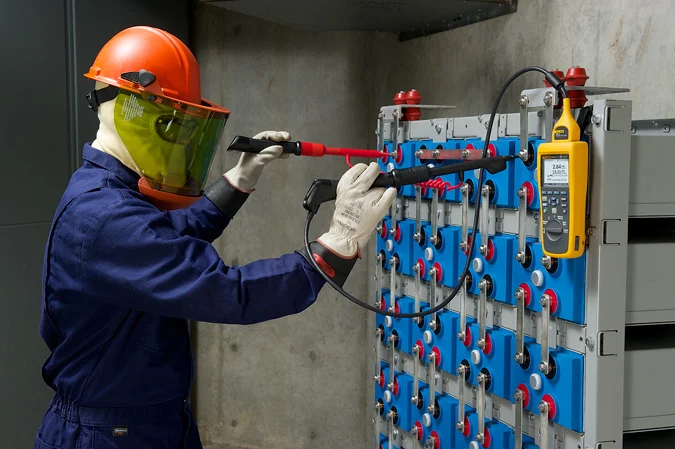
A UPS battery tester is a tool used to evaluate the health and performance of the batteries within an uninterruptible power supply (UPS). This device measures critical parameters such as voltage, internal resistance, charge capacity, and overall battery condition.
With a UPS battery tester, you can determine whether the batteries are still capable of providing the necessary backup power during an outage or whether they need to be replaced.
There are different types of testers, ranging from simple multimeters to more advanced devices designed specifically for UPS battery systems. Regular use of these testers ensures that the UPS batteries remain in good condition, minimizing the risk of failure when power interruptions occur.
Why Regular UPS Battery Testing Is Critical for Business Continuity
For businesses, downtime is costly—whether it’s caused by a power outage, equipment failure, or cyberattack. That’s why UPS systems are so important. They provide a reliable backup power source, ensuring operations continue smoothly even during unexpected power interruptions. However, if the batteries in your UPS are faulty or have not been tested regularly, your business could be at risk. Here’s why UPS battery testing is so critical:
1. Prevent Unexpected Power Failures
A UPS is only as reliable as the batteries inside it. If your UPS battery isn’t in good health, it could fail to provide the backup power needed during a power outage. Regular UPS battery testing allows you to check the condition of the batteries before an unexpected power failure occurs. By using a UPS battery tester, you can identify issues like reduced capacity, which could indicate that the battery is no longer able to hold a charge.
2. Maximize UPS Lifespan
Batteries in a UPS system don’t last forever. Over time, they can degrade due to factors like charge cycles, temperature fluctuations, and overuse. Regular testing with a UPS battery tester helps you understand the age and condition of your UPS batteries, allowing you to replace them before they fail completely. This can extend the overall lifespan of the UPS system, protecting your investment and ensuring reliable service.
3. Ensure Business Continuity During Critical Events
During critical business operations, power disruptions can result in significant losses—whether it’s lost data, interrupted communications, or halted production. By testing your UPS batteries regularly, you ensure that your system will provide sufficient backup power when needed most.
With a UPS battery tester, you can check the health of your batteries and avoid finding out too late that your UPS can’t handle an outage.
4. Maintain Compliance and Risk Management
Certain industries have regulatory requirements regarding the reliability of backup power systems, especially in sectors like healthcare, finance, and telecommunications. Regular UPS battery testing helps businesses ensure compliance with these regulations, reducing the risk of non-compliance penalties. It can provide data that proves the reliability of your UPS system, which is often required during audits or inspections.
5. Improve Safety
A failing UPS battery can pose safety risks, including overheating or even explosion in extreme cases. Regular testing with it allows you to identify potential safety hazards, such as damaged or swollen batteries, so you can replace them before they cause harm. A healthy battery is less likely to overheat, making your facility safer for employees and reducing the risk of fire or injury.
How to Test a UPS Battery
Testing your UPS battery is an essential part of maintaining the overall reliability of your power backup system. Here are the general steps on how to test a UPS battery:
Step 1: Power Down the UPS
Before testing, ensure that the UPS system is powered down and unplugged. Disconnect any equipment that’s connected to the UPS, and turn off the UPS itself to avoid any electrical shock or damage to the system.
Step 2: Check the Battery’s Voltage
Using a UPS battery tester, measure the voltage of the battery. The tester should provide a digital reading that indicates the voltage level. Compare the reading to the manufacturer’s recommended voltage level. If the voltage is significantly lower than the rated voltage, the battery may be losing its charge capacity.
Step 3: Measure the Battery’s Internal Resistance
Next, use it to measure the internal resistance of the battery. A higher internal resistance indicates that the battery is less efficient and may be close to failure. If the internal resistance is high, it’s time to consider replacing the battery.
Step 4: Check the Battery’s Charge and Discharge Cycles
Some advanced UPS battery testers can provide information on the number of charge and discharge cycles a battery has undergone. Batteries with many cycles may be nearing the end of their useful life. By knowing how many cycles the battery has gone through, you can anticipate when it will need to be replaced.
Step 5: Test the UPS Load Capacity
If the UPS battery tester allows for load testing, apply a small load to the UPS while it’s still disconnected from power. This test simulates the battery’s performance under real operating conditions. If the UPS fails to handle the load properly, the battery may not be sufficient for emergency backup.
Step 6: Record the Results
After testing, record the results of your tests. This will help you track the health of your batteries over time and identify trends that may indicate the need for replacement. Keeping a log of test results also makes it easier to perform routine checks and address any issues promptly.
How Often Should You Test Your UPS Battery?
The frequency of UPS battery testing depends on several factors, such as the type of UPS system, the environment it operates in, and the criticality of the applications it supports.
However, as a general guideline, you should test your UPS battery at least once a year, with more frequent testing in high-risk or mission-critical environments. For businesses that rely heavily on uninterrupted power, quarterly or bi-annual testing may be necessary.
In addition to routine testing, you should also perform a thorough battery test after any significant changes, such as:
- Replacement of UPS components
- UPS relocation or system upgrade
- Changes in operating conditions or temperature
Regular testing will ensure that your UPS system and batteries are functioning optimally and will help prevent unexpected power outages.
Choosing the Right UPS Battery Tester
When selecting a UPS battery tester, consider the following factors:
- Compatibility: Ensure the tester is compatible with the type of UPS system you are using. Some testers are designed for specific battery types, while others are more general and can handle multiple types of batteries.
- Ease of Use: Choose a tester that is easy to operate, with a clear digital display and simple instructions.
- Advanced Features: Look for testers that provide advanced metrics such as internal resistance and charge cycles for a more comprehensive analysis of battery health.
- Portability: If you need to test batteries across multiple locations, consider a portable UPS battery tester that’s easy to transport.
- Durability: Choose a tester that is built to last and can withstand the wear and tear of regular use.
Conclusion
In a world where businesses depend on continuous power, ensuring that your UPS system is fully operational is critical for business continuity. Regular UPS battery testing with a UPS battery tester helps you monitor the health of your backup power system, preventing unexpected failures and minimizing downtime. Testing allows you to detect potential issues early, extend battery life, ensure compliance, and maintain safety in your facility.
By incorporating UPS battery testing into your routine maintenance schedule, you ensure that your UPS system is always ready to provide backup power when you need it most. Whether you’re testing a small desktop UPS or a large, industrial-scale system, using the right UPS battery tester will help safeguard your business against power disruptions and keep your operations running smoothly.