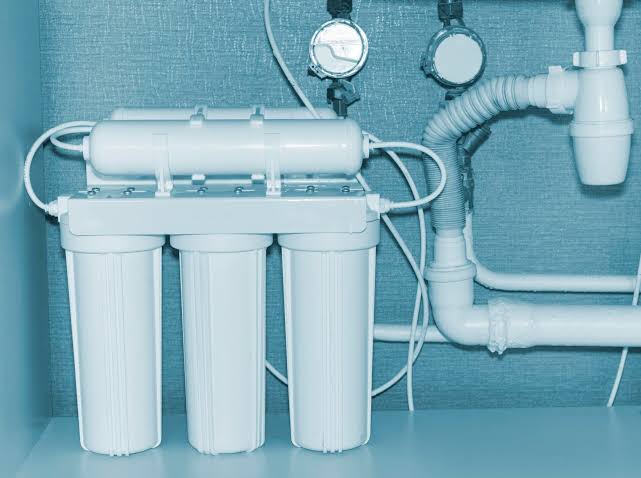
Reverse Osmosis (RO) water purifiers have become a popular choice for households seeking safe and clean drinking water. However, many homeowners are surprised to find that the same water purifiers can perform differently from one home to another. While the purifier itself may be identical, several external factors influence the quality of water it produces, the efficiency of purification, and the overall user experience. Understanding these factors can help homeowners make better decisions about water treatment and ensure they get the best possible performance from their RO system.
The Quality of Source Water Matters
One of the biggest reasons for varying RO performance is the quality of the incoming water. Water sources differ significantly across regions and even between neighbouring communities.
Some homes receive municipal water with moderate Total Dissolved Solids (TDS), while others rely on borewell water with high mineral content. In certain areas, water may contain excess hardness, iron, chlorine, sediments, or organic contaminants.
Since an RO purifier is designed to address specific water quality challenges, the effectiveness of purification depends heavily on what contaminants are present in the source water. A purifier operating on moderately contaminated water may perform differently compared to the same unit treating highly challenging water conditions.
Water Pressure Influences Purification Efficiency
RO technology relies on adequate water pressure to push water through the semi-permeable membrane. Homes with low water pressure may experience slower filtration rates and reduced water output.
On the other hand, homes with stable and optimal pressure often enjoy faster purification and better overall performance. In some cases, additional booster pumps may be required to maintain the efficiency of the RO system.
This is one reason why two households using the same purifier can have noticeably different experiences.
Water Consumption Patterns Play a Role
The number of people in a household and their daily water usage can also impact purifier performance.
A family with higher water consumption may put greater demand on the purification system, leading to more frequent filtration cycles and faster wear on consumable components. Smaller households may place less stress on the system, allowing filters and membranes to maintain peak efficiency for longer periods.
As a result, maintenance requirements and purification consistency may vary significantly between homes.
Maintenance Practices Affect Results
Even the best RO water purifier requires regular maintenance to function properly. Filter cartridges, membranes, and other components need timely replacement to ensure effective contaminant removal.
Homes that follow recommended service schedules typically experience consistent water quality. In contrast, neglected maintenance can lead to reduced purification efficiency, unpleasant taste, lower flow rates, and increased strain on the system.
Therefore, differences in maintenance habits often explain why identical purifiers deliver different outcomes.
Pre-Treatment Can Improve Performance
In regions with extremely hard water or high sediment levels, pre-treatment solutions can significantly enhance RO purifier performance.
Water softeners help reduce hardness, while sediment filters remove larger particles before they reach the purifier. By reducing the burden on the RO membrane, these systems can improve efficiency, extend component lifespan, and maintain consistent water quality.
Homes equipped with suitable pre-treatment often achieve better purification results than those relying solely on the RO unit.
Environmental and Installation Factors
The installation environment also affects purifier performance. Factors such as temperature, plumbing quality, storage tank cleanliness, and installation accuracy can influence water flow, purification efficiency, and system longevity.
A professionally installed purifier operating under ideal conditions is more likely to deliver reliable results than one installed in a less suitable environment.
The Importance of a Complete Water Treatment Approach
An RO water purifier is an important part of ensuring safe drinking water, but its performance depends on much more than the appliance itself. Source water quality, pressure conditions, maintenance practices, water usage patterns, and supporting treatment systems all contribute to the final outcome.
This is why the same RO and UV water purifier can produce different results in different homes. By understanding local water conditions and adopting a comprehensive approach to water treatment, homeowners can maximise purifier efficiency, improve water quality, and enjoy a more reliable drinking water experience.