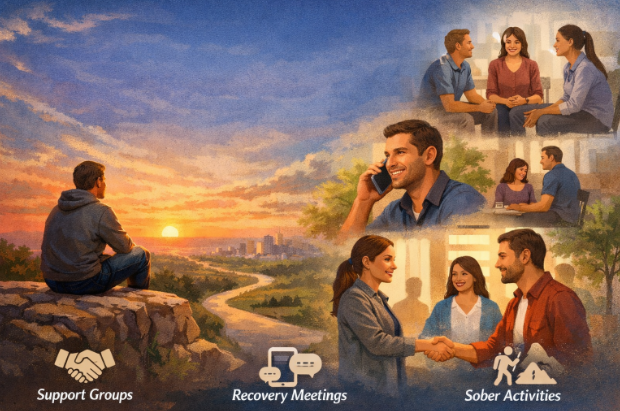
Addiction recovery is often described as a journey rather than a destination. Completing an initial treatment program is a significant milestone, but it is far from the end of the path. Many individuals face ongoing challenges long after formal treatment ends. This is where long-term support plays a critical role in helping people maintain recovery, prevent relapse, and rebuild meaningful lives.
Understanding the value of extended support is essential for anyone involved in addiction care, from individuals seeking help to families, friends, and community organizations. Long-term recovery strategies can strengthen resilience, foster healthy habits, and provide the tools needed to navigate life’s inevitable stressors. In this article, we will explore why ongoing support is vital, how it complements mental health therapy, and practical ways to sustain recovery over time.
Recovery Doesn’t End With Treatment
While residential and outpatient programs offer structured environments and professional guidance, recovery is rarely a linear process. Addiction can deeply affect relationships, employment, emotional regulation, and daily routines. Once a person leaves a treatment facility, they must confront these aspects of life while maintaining sobriety.
Without ongoing support, many individuals struggle with feelings of isolation, stress, or anxiety—factors that can increase the risk of relapse. Long-term support bridges this gap, providing a network of guidance, accountability, and encouragement that extends beyond the initial program.
Support can take multiple forms, from peer groups and community programs to continued mental health therapy. Together, these resources help create a foundation for sustainable recovery.
The Role of Mental Health Therapy in Long-Term Recovery
Addiction rarely exists in isolation. Co-occurring mental health conditions—such as depression, anxiety, post-traumatic stress disorder, or chronic stress—are common among individuals in recovery. Mental health therapy plays a crucial role in addressing these underlying factors.
Ongoing therapy allows individuals to develop healthier coping strategies, manage triggers, and process emotions that could otherwise lead to relapse. Cognitive-behavioral therapy (CBT), dialectical behavior therapy (DBT), and other evidence-based modalities can be particularly effective for building resilience and self-awareness.
By pairing addiction recovery support with Mental Health Therapy, individuals gain a more holistic understanding of their needs. Therapy helps people identify the root causes of their substance use, while long-term recovery programs provide practical and emotional reinforcement in daily life.
Peer Support and Community Connections
One of the most valuable elements of long-term support is peer connection. Recovery communities, such as support groups and 12-step programs, offer spaces where individuals can share experiences, challenges, and victories without judgment.
Peer support provides three key benefits:
- Shared Experience: Talking with people who have faced similar struggles can reduce feelings of isolation and shame. It normalizes the recovery process and reinforces the idea that setbacks are part of growth.
- Accountability: Regularly engaging with a supportive group encourages individuals to remain committed to their recovery goals. Accountability is not punitive—it is a supportive structure that motivates ongoing progress.
- Encouragement: Celebrating milestones, whether small or large, helps reinforce positive behaviors and builds confidence in one’s ability to maintain recovery.
Communities also play an important role outside formal programs. Friends, family, and local organizations can create environments that foster sobriety and emotional well-being. These networks become especially vital during times of stress or major life changes, which are common triggers for relapse.
Long-Term Recovery Programs: Structure Beyond Treatment
While formal treatment programs provide structure for a set period, long-term recovery programs extend that support. These programs may include outpatient counseling, mentorship initiatives, educational workshops, and community engagement opportunities.
Long-term programs often emphasize:
- Routine Development: Maintaining daily routines that include healthy habits such as exercise, proper nutrition, and self-care.
- Life Skills Training: Providing guidance for employment, financial management, and relationship building.
- Relapse Prevention: Equipping individuals with strategies to recognize triggers and respond effectively.
By reinforcing these skills, long-term programs help individuals gradually transition from reliance on structured care to independent, confident living. The goal is not to replace personal responsibility but to empower individuals with tools, guidance, and resources to sustain it.
The Family Connection in Recovery
Families are often the most immediate support system for someone in recovery. Their understanding, patience, and encouragement can significantly influence long-term outcomes.
Family involvement can take many forms:
- Attending counseling or educational sessions to better understand addiction and recovery.
- Creating a supportive home environment free from judgment or enabling behaviors.
- Encouraging participation in recovery programs and community engagement.
Strong family support fosters a sense of stability and belonging, both of which are essential for mental health and sustained recovery.
Addressing Challenges That Arise Post-Treatment
Life after treatment presents unique challenges. Employment pressures, social situations, and emotional stressors can all test an individual’s resolve. Long-term support helps individuals navigate these challenges proactively rather than reactively.
Some common strategies include:
- Check-Ins: Regular meetings with a counselor, therapist, or peer mentor help identify potential triggers early.
- Relapse Planning: Developing a plan for how to respond if cravings or setbacks occur reduces the likelihood of full relapse.
- Ongoing Education: Workshops or group discussions provide tools for coping with stress, improving communication, and building healthy routines.
These strategies underscore the fact that recovery is not a static goal but an ongoing process requiring attention, reflection, and adaptation.
The Intersection of Mental Health and Long-Term Recovery
Long-term recovery support and mental health therapy complement each other in critical ways. Therapy helps individuals understand themselves, develop coping skills, and address emotional vulnerabilities. Long-term recovery programs provide external structure, community reinforcement, and practical guidance.
Together, these approaches create a robust system of care. By simultaneously focusing on the psychological and social aspects of recovery, individuals are more likely to sustain progress and cultivate resilience.
Celebrating Progress and Maintaining Motivation
Recovery is often marked by incremental successes rather than dramatic transformations. Long-term support encourages individuals to recognize and celebrate these milestones.
Acknowledging progress, no matter how small, reinforces self-efficacy and fosters a positive mindset. Whether it’s achieving a month of sobriety, rebuilding a strained relationship, or learning a new skill, these victories provide motivation to continue forward.
Communities and peer networks often help highlight these accomplishments, making recovery a shared and celebrated journey rather than a solitary struggle.
Conclusion: Recovery as a Lifelong Commitment
The importance of long-term support after addiction treatment cannot be overstated. Recovery is a complex, ongoing process influenced by mental health, relationships, daily routines, and community engagement. While initial treatment provides critical tools and structure, sustained recovery requires continued guidance, connection, and encouragement.
Mental health therapy, peer networks, family support, and long-term recovery programs together create a safety net that helps individuals maintain progress, navigate challenges, and live fulfilling lives. By embracing long-term support, society can shift the focus from short-term intervention to sustainable recovery, ensuring that individuals have the resources and confidence needed to thrive long after treatment ends.
Ultimately, recovery is not just about abstaining from substances—it’s about building resilience, reconnecting with oneself, and creating a life worth living. Long-term support ensures that this journey is not taken alone.