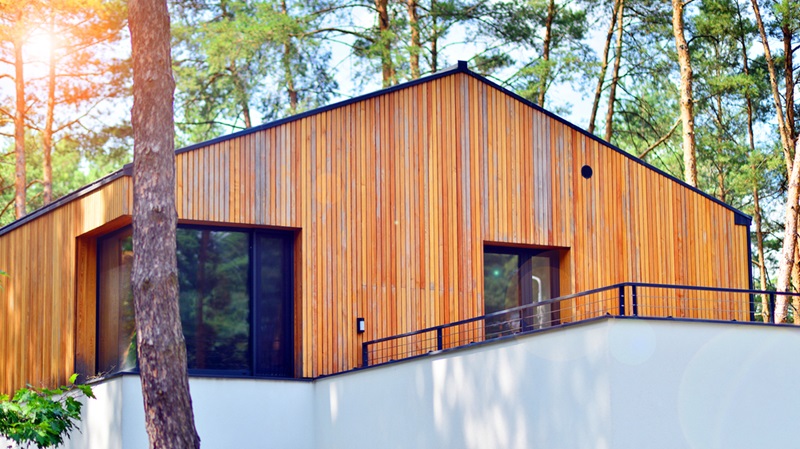
Why the front of a home matters so much
A house can be lovely on the inside, but if the front looks tired, that feeling gets lost before anyone even steps through the door. The façade is the handshake, the first hello, the bit that quietly says whether a home has been cared for or left to age a little too gracefully. In Australia, where sun, salt air, wind and heat can all have their say, the front exterior often cops it first.
That is why a dated façade can drag down the whole look of a place, even when the structure itself is solid. The good news is that creating a more premium first impression does not always mean a full rebuild or a wallet-emptying renovation. A few well-chosen changes can shift the whole mood of a home. Sometimes it is the smallest tweak that makes neighbours glance over and mutter, “Right, that looks sharp.”
1. Rework the entry so it feels intentional
The front door has a lot of power. It can feel heavy and old-fashioned, or clean and modern, depending on the style, colour and hardware. A faded timber door with tired fittings can make the entire façade feel stuck in another decade. Swap that for a crisp finish, a bold colour, or sleek handles and the front starts to feel considered rather than forgotten.
Australian homes often benefit from practical choices here too. Heat, UV and coastal conditions can be rough on finishes, so materials and coatings need to work hard. A front entry that looks polished and stands up to the weather is a small win that pays off every single day.
2. Update the cladding for texture and depth
Flat, patchy or mismatched exterior walls can make a façade feel weary. Adding texture changes that fast. It gives the eye something richer to read, and it can break up a plain frontage without going over the top. This is where cladding choices really earn their keep, especially when the aim is a higher-end finish without drifting into fussy territory.
Some homeowners lean towards a natural, architectural feel, and that is where timber look cladding can come into its own. It brings warmth and character without the constant maintenance real timber often asks for. In suburbs where people want a modern edge with a softer finish, that balance is a pretty handy trick.
Used well, cladding can make a dated façade feel freshly designed instead of merely repaired. That is the sweet spot.
3. Modernise the colour palette
Old façades often suffer from colour confusion. A bit of beige here, a faded cream there, maybe a random trim colour from a reno years ago. The result can look restless. A tighter palette changes everything. Think fewer colours, better contrast, and a finish that feels deliberate.
In Australian streetscapes, muted earth tones, soft charcoals, warm whites and natural finishes tend to sit comfortably. They suit the light well too. Harsh whites can look stark in bright sun, while very dark colours can absorb heat and feel heavy. A balanced palette usually lands better, especially when paired with garden greenery or timber accents.
There is something satisfying about seeing a home stripped back to a few smart tones. It feels calmer, cleaner and far more expensive than it probably was to achieve.
4. Replace tired lighting with something that actually flatters the house
Exterior lighting is often overlooked, which is a shame, because it works a bit like good photography. Bad lighting shows every flaw. Good lighting makes the whole frontage feel warmer, safer and more refined.
Wall sconces, path lights and downlights can all help guide the eye towards the best features of the façade. If the home has strong lines or textured surfaces, light can bring those details forward after dark. And in many Australian neighbourhoods, where people arrive home at dusk or entertain outdoors, lighting has a bigger role than just looking nice. It helps the property feel welcoming rather than gloomy.
There is no need for anything overly theatrical. A soft wash of light across the entry or a pair of well-placed fittings often does the job beautifully. Fancy enough to impress, subtle enough not to feel like a hotel lobby.
5. Lift the frontage with landscaping that frames, rather than fights, the house
Good landscaping does not need to be elaborate. In fact, a dated façade can look worse when surrounded by cluttered, overgrown, or mismatched planting. The aim is to frame the house properly, not bury it in greenery like a forgotten cottage in the bush.
Low-maintenance native plants work well across much of Australia, especially in areas where water use matters or the climate swings hard between wet and dry. Clean edges, trimmed hedges, a tidy lawn, and a couple of sculptural plants can do more for a front elevation than a dozen random pots ever will.
If the house has strong horizontal lines, keep the planting restrained and architectural. If it has a softer, more traditional shape, a bit more fullness may suit it. Either way, the garden should look as though it belongs to the home, not as though it has wandered in from next door.
6. Refresh the small details people actually notice
Handles, house numbers, letterboxes, gates and even gutters can quietly age a façade. These little parts are easy to ignore because they are not dramatic, yet they have a habit of drawing attention when they look worn or mismatched. Fresh hardware and clean finishes can lift the whole exterior with very little fuss.
Think of it as the polish on the shoes. No one may mention it directly, but they notice. A sleek house number, a colour-matched mailbox, a tidy fence line, or a neatly finished garage door all help the front feel pulled together.
In older Australian homes, especially those with additions from different periods, these details can be the glue that makes everything feel coherent. A front elevation with a few nice finishing touches feels lived-in, yes, but also cared for. That balance matters.
Making the premium look feel natural
The best façade updates usually share one trait: they do not shout. They feel like the home was always meant to look that way. That is what gives a property a premium first impression. Not flash. Not clutter. Just a sense of calm confidence.
For many Australian homes, the smartest path is a blend of texture, cleaner lines, a tighter colour scheme and a few durable materials that suit the climate. Timber-inspired finishes, considered lighting, and tidy landscaping all work together to create that effect. It is less about chasing trends and more about choosing pieces that sit well with the building and the street around it.
A dated façade can be given a proper lift without turning the whole project into a drama. And honestly, that is the appeal. A home that looks sharper from the street tends to feel better to arrive at, better to sell, and better to live with. Not a bad return for a few thoughtful changes.
A final thought on first impressions
Street appeal is one of those things people sense before they fully explain it. They just know when a home feels polished. It can happen with a refreshed entry, a smarter colour palette, or cladding that gives a flat frontage some much-needed warmth and depth.
For Australian homeowners, the trick is choosing updates that suit the climate, the architecture and the neighbourhood without overcomplicating the job. Keep it clean. Keep it cohesive. Keep it looking like someone actually cared.
That is usually where the premium look begins.