Sapa is one of Vietnam’s most breathtaking mountain destinations, known for its rice terraces, misty valleys, and ethnic minority villages. Located around 320 kilometers from Hanoi, reaching Sapa is easier than ever, but choosing the right Hanoi to Sapa transfer can make a huge difference to your trip.
Travelers can choose between sleeper buses, trains, limousine vans, and private cars, each offering different levels of comfort, flexibility, and travel time. This guide compares every option to help you find the best way to travel from Hanoi to Sapa comfortably and efficiently.
Understanding the Hanoi to Sapa Route
Understanding the Hanoi to Sapa Route
Sapa sits in the Hoang Lien Son mountains near Vietnam’s northern border with China, around 320 kilometers from Hanoi. The journey moves from the flat Red River Delta to dramatic mountain landscapes, making the Hanoi to Sapa transfer one of Vietnam’s most scenic travel routes.
Most of the journey follows the Hanoi–Lao Cai Expressway before continuing on winding mountain roads up to Sapa town. This combination of highway and highland terrain explains why travel times and comfort vary across transport options, with road transfers typically taking around 5–6 hours and overnight trains around 8–9 hours. You can find a full breakdown of all options in this guide on How to Get from Hanoi to Sapa in 6+ Most Convenient Ways! Hanoi to Sapa Transfer Options
There is no single best Hanoi to Sapa transfer. The right option depends on your budget, comfort level, schedule, and travel style.
Limousine Van (9-Seater, Hanoi to Sapa)
A more comfortable daytime option with reclining seats, smaller groups, and onboard amenities. The 5–6 hour journey lets travelers enjoy the changing mountain scenery along the way. Best for couples, small groups, and travelers wanting more comfort without booking a private car.
Overnight Sleeper Train (Hanoi to Lao Cai)
A popular budget-friendly option is to leave Hanoi at night by train and arrive in Lao Cai early morning, followed by a short transfer to Sapa. Soft sleeper cabins are reasonably comfortable, but cabins are shared and the final transfer requires extra coordination. Best for solo travelers and backpackers.
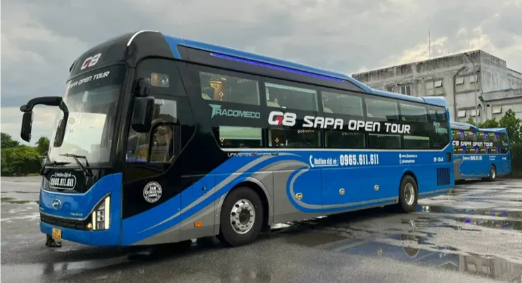
Sleeper Bus (Hanoi to Sapa Direct)
Sleeper buses travel directly from Hanoi to Sapa in around 5–6 hours at a lower cost than private transport. Reclining pods make the journey more comfortable, though road conditions in the mountains can affect sleep quality. Best for budget travelers wanting a direct route.
Private Car (Hanoi to Sapa)
The most comfortable and flexible Hanoi to Sapa transfer option. Private cars from Joytime Vietnam offer hotel pickup, flexible departure times, direct drop-off, and optional scenic stops along the route. Ideal for families, groups, travelers with luggage, or anyone wanting a smoother journey with full privacy.
Motorbike (For the Adventurous Only)
For experienced riders, traveling from Hanoi to Sapa by motorbike is one of northern Vietnam’s most unforgettable road trips. However, the route is challenging, especially on steep and misty mountain roads with heavy truck traffic on parts of the highway.The journey typically takes more than 6–8 hours depending on weather, traffic, and stopovers.
Why Book Your Hanoi to Sapa Transfer Through Joytime Vietnam?

Why Book Your Hanoi to Sapa Transfer Through Joytime Vietnam?
Many Hanoi to Sapa transfers are sold through international booking platforms that increase prices while offering little local support. Joytime Vietnam operates directly from Hanoi with local drivers and a wide range of Hanoi transport service, giving travelers more reliable service, better communication, and pricing that reflects real local rates.
For mountain routes like Hanoi to Sapa, local knowledge makes a real difference. Weather, fog, traffic, and road conditions can change quickly, especially during the rainy season. Joytime’s local team actively monitors these conditions to help ensure smoother and safer journeys.
- Reliable local support from a Hanoi-based team
- Easy booking and communication via WhatsApp
- Modern limousine vans and private cars
- Transparent local pricing with no hidden fees
- Hotel pickup available in the Old Quarter and Hoan Kiem area
- Convenient round-trip Hanoi–Sapa transfer packages available
Stops Worth Making: The Hanoi to Sapa Road Trip
If you are travelling by private car or asking a limousine van operator about flexibility, these are the stops that genuinely add to the Hanoi to Sapa journey rather than just extending it.
Pho Lu Town & the Red River Valley
As the expressway transitions to the older highway, the road follows the Red River through a wide valley of limestone peaks and rice fields. Pho Lu is a quiet local town with simple food stalls and cafés, a good place to pause for pho or Vietnamese coffee before heading into the mountains. It feels local, unpolished, and authentic.
Bac Ha Market (Detour – Sundays Only)
Bac Ha Market brings together Flower Hmong, Tay, and Nung communities in traditional dress for one of the most vibrant highland markets in northern Vietnam. Unlike tourist-focused markets in Sapa, this is still a working local gathering. The detour adds time, but on Sundays it is one of the most rewarding cultural stops on the route.
O Quy Ho Pass (Tram Ton Pass)
At 2,090 metres, O Quy Ho is Vietnam’s highest mountain pass and the final climb into Sapa. On clear days, it opens up sweeping views over valleys and peaks, while misty conditions create a more dramatic, cloud-filled atmosphere. A quick stop here takes only a few minutes but often becomes the most memorable part of the journey.
Practical Tips for Your Hanoi to Sapa Transfer
The route is comfortable when planned well, but mountain roads, weather, and traffic can affect timing and experience. So, keep these tips in your mind for a safe and sound Hanoi to Sapa transfer.
- Book early during peak seasons:Limousine vans and private cars sell out quickly during summer (June–August) and major holidays like Tet and National Day. Booking at least a week in advance helps secure better options and timing.
- Pack for colder mountain weather: Sapa is usually 8–12°C cooler than Hanoi and can be misty or rainy year-round. Bring a light jacket even if you leave Hanoi in warm weather.
- Choose morning departures when possible: Leaving Hanoi around 6–7 AM helps avoid traffic and ensures arrival in Sapa with time left to explore in daylight.
- Pay attention to wet-season conditions: From June to September, heavy rain can affect mountain roads and cause delays. Local operators are more reliable for real-time updates than international platforms.
- Upgrade train comfort if choosing rail: If taking the overnight train, private cabin operators like Livitrans or Victoria Express offer noticeably better comfort than standard shared berths.
- Confirm your exact drop-off location: Sapa accommodations are spread out across hills and valleys. Sharing your precise hotel or homestay address avoids delays on arrival.
- Book return transfers together: Arranging both Hanoi to Sapa and Sapa to Hanoi at the same time is usually more cost-effective and ensures a smoother end to your trip.
Final Thoughts
The Hanoi to Sapa transfer is a key part of the journey, and your choice of transport shapes the entire experience. Limousine vans offer the best mix of comfort, direct travel, and value. Private cars suit families and groups who want flexibility and scenic stops like O Quy Ho Pass or Bac Ha Market. Sleeper trains are still an experience, but the Lao Cai transfer makes them less convenient for most first-time travelers.
Book your Hanoi to Sapa transfer with Joytime Vietnam and travel with a team that knows the route, the road, and the conditions with prices that reflect where you are, not where your booking platform is based.