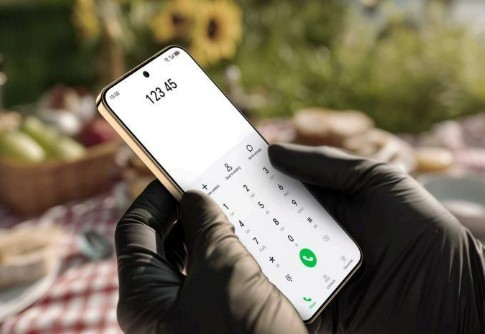
The design of a smartphone has a profound impact on how enjoyable and practical it feels in daily life. Among the most influential factors are weight and thickness, both of which shape comfort, durability, and overall usability. A thin and light phone often appeals to people who value style and portability, but this sometimes comes at the expense of battery life and structural strength. By contrast, thicker phones may appear less elegant, yet they usually offer larger batteries, sturdier frames, and greater resilience. Ultimately, these two physical traits play a central role in defining the everyday smartphone experience.
Why Do Phone Weight and Thickness Matter?
Comfort in One-Handed Use
A well-designed phone should be easy to hold and operate with one hand. If a device is too heavy, extended use—such as texting, scrolling, or reading—can lead to discomfort and even wrist strain. Lighter phones excel in this regard, making them more user-friendly during quick interactions. However, thin designs often compromise on durability, making them more vulnerable to drops or pressure. Thanks to innovations in engineering and materials, some devices now combine lightweight structures with solid resistance, showing that portability and sturdiness can coexist. The most effective designs balance ergonomics and strength, creating a phone that is both comfortable and dependable.
Pocket-Friendliness and Portability
Smartphones travel everywhere with us, so their portability matters greatly. A phone that feels too thick or heavy can be inconvenient to carry in jeans, gym shorts, or a small bag. Slimmer phones often feel more discreet and pocket-friendly, but historically, this has meant reduced resistance to water, dust, or impact. With advances in design, it is increasingly possible for compact phones to retain protective qualities without extra bulk. This shows that thickness does not automatically equal inconvenience; instead, it can symbolize reliability. For users who need a device that feels portable yet capable of handling everyday challenges, balance is key.
Impact on Long Usage Sessions
When streaming, gaming, or joining long video calls, the effects of weight and thickness become more noticeable. A lighter phone may be easier to hold during extended sessions, but thinner designs often mean smaller batteries, which require more frequent charging. Thicker devices, however, can house larger batteries, offering multiple days of usage on a single charge. They also have space for advanced cooling systems, preventing overheating during demanding activities. While bulkier phones may not seem as stylish, they tend to provide greater consistency and comfort in heavy use. In this way, thickness and weight directly influence long-term performance.
Should You Choose a Lighter or Thicker Phone?
Benefits of Lightweight Phones
Lightweight phones are ideal for users who prioritize portability, style, and easy handling. They fit seamlessly into pockets, can be comfortably managed with one hand, and reduce fatigue during casual browsing or social media use. These qualities make them especially appealing to people with simpler daily needs. However, lighter devices often involve compromises, such as shorter battery life, reduced durability, and sometimes less advanced camera systems. For someone who mainly uses their phone for texting, calling, or light apps, a slim design may be more than enough. Still, for users who demand power and resilience, lightweight phones may feel limiting.
Advantages of Thicker Phones
Thicker phones provide benefits that lightweight models cannot always match. They can include larger batteries for extended use, sturdier frames that improve durability, and advanced hardware such as high-performance cooling or complex camera setups. This added space often translates into devices that feel more solid and reliable in the hand, offering peace of mind during rough conditions. While they may be less discreet in a pocket, their ability to last longer and endure more makes them highly practical. For people who value strength, longevity, and advanced features, thicker phones are often the smarter and more dependable choice.
Finding the Right Balance for Your Needs
The decision between a lighter or thicker phone depends largely on lifestyle. If you spend most of your time indoors, value sleek aesthetics, and prefer a minimal device for everyday browsing, then a slim phone may suit you best. On the other hand, if your phone needs to withstand outdoor activities, extended usage, or heavy workloads, a thicker model is more practical. The ideal design should not simply sacrifice one quality for the other but should instead strike a thoughtful balance. A well-balanced phone ensures adaptability, serving as a reliable companion that fits seamlessly into your daily routine.
Conclusion
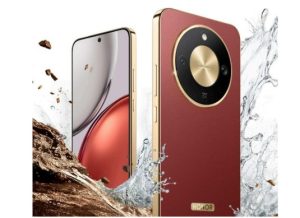
Weight and thickness are more than just physical dimensions; they shape how a smartphone feels, performs, and endures over time. Lightweight devices excel in portability and one-handed convenience, while thicker phones deliver strength, long-lasting batteries, and advanced functionality. Neither option is universally better—it depends on your personal preferences and lifestyle. For instance, if you’re looking for a phone that offers a good balance of weight, performance, and value, you might want to check out the HONOR X9d 5g price. Understanding how these traits affect comfort, portability, and long-term reliability will help you make a more informed decision. Ultimately, the right phone is the one that balances mobility and durability in a way that matches your everyday needs. In this balance lies true usability and satisfaction.