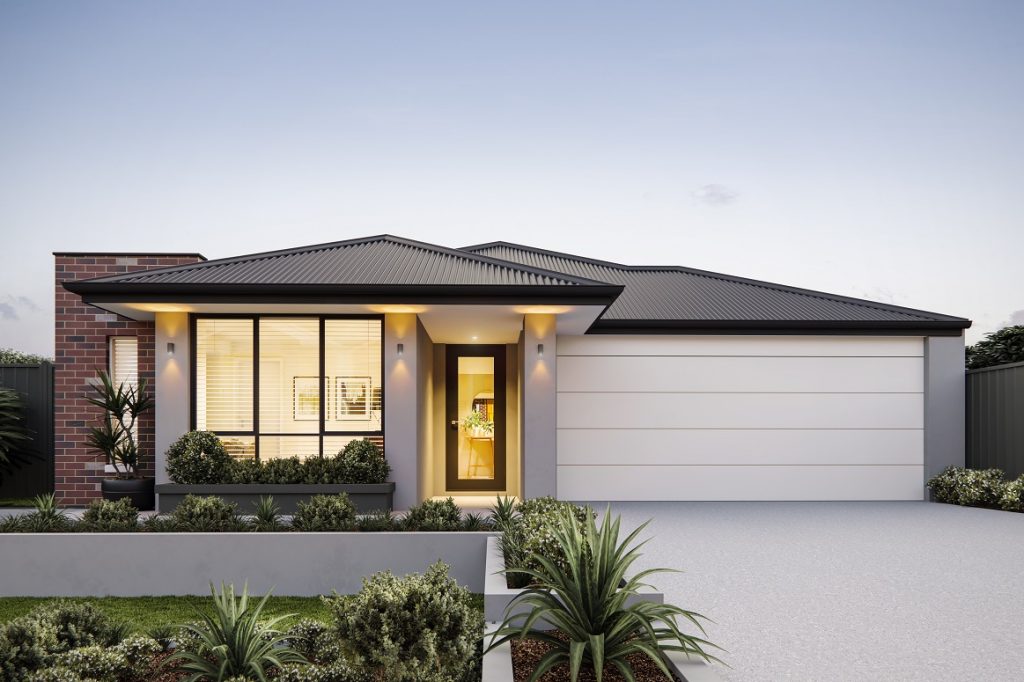
Visiting display homes in Sydney can be overwhelming, especially with so many stunning options across the city’s growing suburbs. Whether you’re exploring new estates in the Hills District or checking out waterfront developments, a strategic approach will help you maximize every visit and make informed decisions about your future home.
Plan Your Route and Timing
Before heading out, map your display home journey across Sydney’s various precincts. Many display homes in Sydney are clustered in new housing estates, making it efficient to visit multiple properties in one trip. Weekday visits often provide a quieter experience with more personalized attention from sales consultants, while weekends showcase the homes at their busiest, giving you a feel for the community atmosphere.
Consider visiting during different times of day if possible. Morning visits reveal how natural light flows through living spaces, while afternoon tours show how western-facing rooms handle Sydney’s intense sun.
Focus on the Bones, Not the Styling
Display homes are designed to impress, often featuring premium finishes and furniture that may not be included in the standard package. Look beyond the beautiful staging to assess the actual floor plan, room sizes, and architectural features. Pay attention to ceiling heights, window placement, and the flow between spaces – these structural elements will impact your daily living long after you’ve chosen your own furniture and décor.
In Sydney’s climate, also consider how the home’s orientation and window placement will affect temperature control and energy efficiency throughout the year.
Ask the Right Questions
Come prepared with specific questions about inclusions, upgrade costs, and customization options. Many display homes in Sydney showcase premium upgrades, so clarify what’s standard versus optional. Ask about structural modifications, timeline for completion, and any restrictions on exterior changes or landscaping.
Don’t forget practical questions about council requirements, utility connections, and ongoing estate fees that might apply to your specific lot choice.
Take Photos and Notes
Document your visit thoroughly, as details blur together after seeing multiple properties. Photograph room layouts, storage solutions, and any features that appeal to you. Take notes about dimensions, especially in areas where you’ll need to fit existing furniture.
Many Sydney display homes offer virtual tours or brochures, but your personal photos captured from your perspective will be more valuable when comparing options later.
Test the Functionality
Open cupboards, test light switches, and walk through the daily routines you’d actually perform in the space. Check sight lines from the kitchen to living areas, assess bathroom privacy, and consider how the laundry location works with your lifestyle.
Pay attention to outdoor entertaining areas and their relationship to indoor spaces – crucial considerations for Sydney’s outdoor living culture.
Connect with Sales Teams and Builders
The sales consultants at display homes are treasure troves of local knowledge and industry insight. They understand soil conditions, council requirements, and neighborhood development plans that could impact your decision. Engage them in conversation about the building process, timeline expectations, and their experience with different lot types within the estate.
Many sales teams can also connect you with previous buyers who might share their experiences, or provide insights into how different floor plans have performed in the local market. Building these relationships early can prove valuable even if you decide to build elsewhere, as industry connections often lead to referrals and recommendations.
Evaluate the Complete Package
Consider the display home as part of the broader lifestyle package. Assess the estate’s amenities, proximity to schools and transport, and the overall community planning. Sydney’s new developments often include recreational facilities, walking trails, and retail precincts that significantly impact your long-term satisfaction with the area.
Take time to explore beyond the display home itself – walk the streets, check traffic patterns during different times, and get a feel for the neighborhood’s character and future potential.