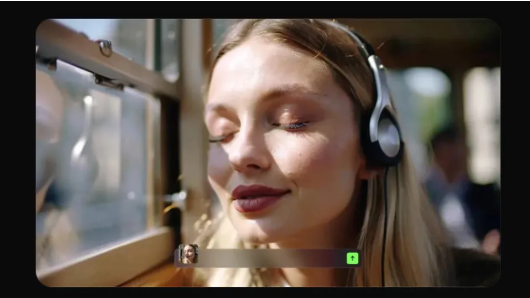
Starting video editing often feels more challenging than the creative idea itself. New creators quickly discover timelines, transitions, color correction, audio mixing, and countless export settings. While these skills remain valuable, beginners usually want to focus on telling a story rather than mastering technical software. AI-assisted editing changes that experience by simplifying repetitive tasks while leaving room for creativity. Understanding where AI genuinely helps makes it much easier to decide whether this new generation of editing tools deserves a place in your creative workflow.
Why AI Makes the First Editing Experience Easier
Learning Creativity Before Learning Software
Many beginners believe they need professional editing knowledge before creating good videos. In reality, storytelling, pacing, and visual ideas matter first. Technical editing comes later through practice. A modern ai video editor reduces the learning curve by handling repetitive production work automatically, allowing new creators to concentrate on building scenes and communicating ideas. Instead of memorizing dozens of editing commands, users describe what they want, experiment with different directions, and gradually understand why certain creative choices work better than others. This approach makes learning feel rewarding instead of overwhelming while encouraging consistent practice through successful early projects.
Every Project Can Start From Different Materials
Not every beginner starts with professionally filmed footage. One person may only have a product photo. Another may have an unfinished smartphone recording. Someone else may begin with nothing more than a written concept. Flexible AI editing software adapts to these different situations rather than expecting identical workflows. Kling AI supports projects that begin with prompts, images, visual references, or existing videos. Users can animate still images, generate entirely new scenes, or modify footage already captured. This flexibility allows beginners to experiment with different creative approaches without purchasing additional software every time their starting point changes.
Small Edits Often Create the Biggest Improvement
The first version of a video rarely becomes the final version. Beginners usually notice small details after watching their work several times. Perhaps the background distracts from the subject. Maybe the lighting feels inconsistent, or an unwanted object pulls attention away from the message. Rather than rebuilding the entire project, AI-powered editing makes targeted improvements much easier. Kling VIDEO 3.0 Omni allows creators to replace subjects, rebuild backgrounds, adjust styles, modify lighting, or change environments through simple prompts. Beginners can continue refining their ideas instead of feeling locked into early editing decisions.
The Value Continues as Skills Grow
Confidence Comes From Fast Creative Feedback
Learning becomes much easier when ideas receive immediate visual feedback. Traditional editing often requires many manual adjustments before creators know whether a concept works. AI dramatically shortens that cycle. Beginners can test multiple versions of the same scene, compare different framing choices, or explore alternative visual styles within the same project. Seeing rapid results encourages experimentation instead of hesitation. Over time, creators naturally develop stronger instincts for composition, pacing, and storytelling because they evaluate many creative possibilities instead of committing immediately to the first solution that appears.
One Workflow Supports Many Content Types
People rarely continue making only one kind of video. Someone who begins by editing family memories may later produce travel content, product reviews, educational tutorials, social media campaigns, or promotional videos for a business. Choosing software that grows alongside those ambitions prevents unnecessary interruptions later. Kling AI supports Text to Video, Image to Video, AI-powered editing, Digital Human creation, Restyle, Lip Sync, and Video Extension within one connected creative environment. Instead of learning a completely different platform for every new content format, beginners continue developing their skills inside a familiar workflow that expands naturally with their creative goals.
Editing Should Feel Like Refinement, Not Repair
One common frustration for beginners is believing mistakes require starting over completely. Effective AI tools change that experience. Instead of rebuilding an entire sequence, creators can continue improving individual moments. They might extend a scene that ends too quickly, reframe an existing shot for stronger composition, or update specific visual elements while preserving everything that already works. Kling AI follows this editing philosophy by allowing users to continue clips through Video Extension and modify selected parts without disrupting the surrounding sequence. This gradual refinement process feels more approachable, encourages experimentation, and builds confidence with every completed project.
Conclusion
For beginners, the greatest advantage of AI editing is not replacing creativity but removing unnecessary technical barriers. A capable platform allows new creators to spend less time navigating complicated software and more time developing ideas, improving stories, and experimenting with different visual directions. As experience grows, the same workflow continues supporting more advanced projects instead of becoming a limitation. Kling AI reflects this progression by combining AI video generation, intelligent editing, avatars, Lip Sync, scene extension, and flexible prompt-based refinement into one integrated creative environment, giving beginners an accessible starting point while providing enough creative flexibility to support long-term growth as their skills continue to develop.