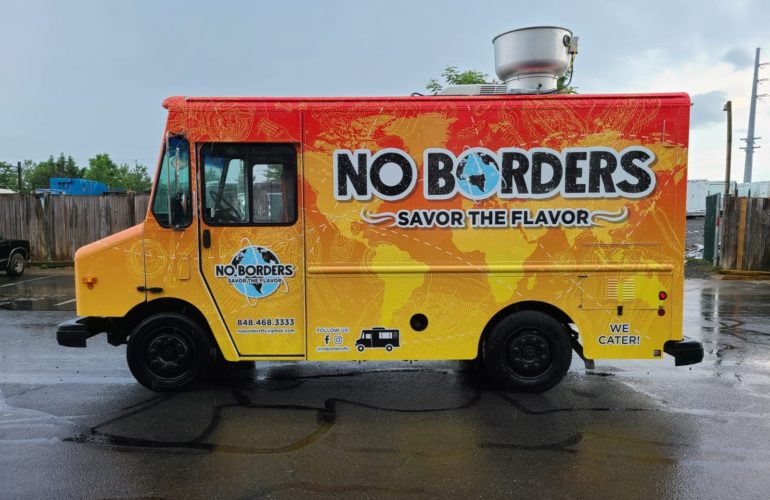
There’s something undeniably captivating about spotting a vibrant, aromatic food van parked on a busy street corner or nestled in a lively park. Maybe it’s the sight of a chef carefully assembling gourmet tacos out of a converted van, or the smell of freshly brewed coffee wafting through the air from a mobile café. Food vans have become more than just a convenient way to grab a bite—they’re a cultural movement reshaping how we think about dining and community.
In this article, we’ll explore the fascinating world of the food van, unpacking what makes them so special, their rich history, and why they’ve become essential players in the culinary landscape of cities worldwide.
What Exactly is a Food Van?
A food van might seem like just a simple mobile kitchen. But it’s much more than that. A food van is a versatile culinary space on wheels, equipped to prepare and serve food directly to customers without the need for a permanent restaurant location. This mobility allows food vans to bring fresh, innovative meals directly to people wherever they gather.
Unlike traditional restaurants, food vans are nimble, adaptable, and often deeply connected to the neighborhoods and events they serve. Whether parked outside a business district to cater lunch crowds, serving late-night snacks at a music festival, or delighting park-goers with gourmet sandwiches, these rolling kitchens can pop up anywhere life happens.
Why Are Food Vans So Popular?
The rise of food vans isn’t accidental. Several factors make them appealing to both customers and entrepreneurs.
Mobility: Bringing Food Where the People Are
One of the most significant advantages of a food van is its ability to move. This flexibility means vendors can chase crowds rather than waiting for customers to come to them. It’s a smart business model—food vans can follow foot traffic patterns, appear at events, or set up in different neighborhoods on different days.
For example, a food van might serve breakfast in a bustling financial district during weekday mornings, then relocate to a weekend farmers’ market or music festival. This adaptability helps maximize exposure and revenue.
Lower Costs Enable Culinary Creativity
Launching a food van requires far less investment than opening a traditional restaurant. This lower barrier to entry encourages chefs and entrepreneurs to experiment with unique concepts, niche cuisines, or novel dishes that might not fit the mold of a standard eatery.
As a result, food vans have become incubators for culinary innovation. Some of today’s top chefs and restaurateurs got their start in a food van, honing their skills and building loyal followings before expanding.
Authentic Connections and Community Vibes
Unlike anonymous fast food chains, food vans often build personal relationships with their customers. Many vendors recognize regulars by name and customize orders to individual tastes. This human connection fosters a sense of belonging and turns the act of buying food into a warm, shared experience.
Moreover, food vans often reflect and celebrate local cultures, making them vibrant expressions of community identity. Whether it’s a van serving traditional recipes passed down through generations or one fusing global flavors, these mobile eateries help weave the social fabric.
What Makes a Food Van Stand Out?
Running a successful food van isn’t just about tasty food; it involves a mix of passion, savvy business sense, and adaptability. Here are a few key ingredients for standing out in a crowded market:
Signature Offerings
Most successful food vans have a star dish or a distinctive culinary style that sets them apart—be it spicy Korean fried chicken tacos or handcrafted gelato.
Engaging Branding
A food van’s appearance—from its eye-catching design to a catchy name—draws attention and creates memorable impressions. Social media presence further amplifies reach and builds a loyal customer base.
Responsive to Feedback
Being able to pivot menu items based on customer preferences or seasonal availability shows flexibility and care.
Exceptional Service
Friendly staff who engage customers with enthusiasm and knowledge create a welcoming atmosphere that keeps people coming back.
The Tech-Savvy Food Van: Digital Tools and Social Media
In today’s connected world, food vans have embraced technology to thrive. Many use social media platforms like Instagram and Twitter to announce their locations, share mouthwatering photos, and engage directly with their followers.
Additionally, apps designed to track food vans in real-time have exploded in popularity, making it easier than ever for hungry customers to find their favorite mobile eateries. Some vendors also utilize online ordering and cashless payment systems, which streamline the customer experience and improve efficiency.
More Than Just a Quick Bite
The food van is a symbol of culinary freedom—breaking down barriers between chefs and customers, making quality food accessible, and enriching community life. Beyond convenience and novelty, it’s about passion, creativity, and the simple joy of sharing good food wherever people gather.
Next time you spot a food van parked nearby, don’t just see it as a quick meal option. Think of it as a rolling kitchen that carries stories, cultures, and dreams on its wheels. And when you take that first bite, savor not just the flavors but the vibrant energy of a movement that’s redefining how—and where—we eat.