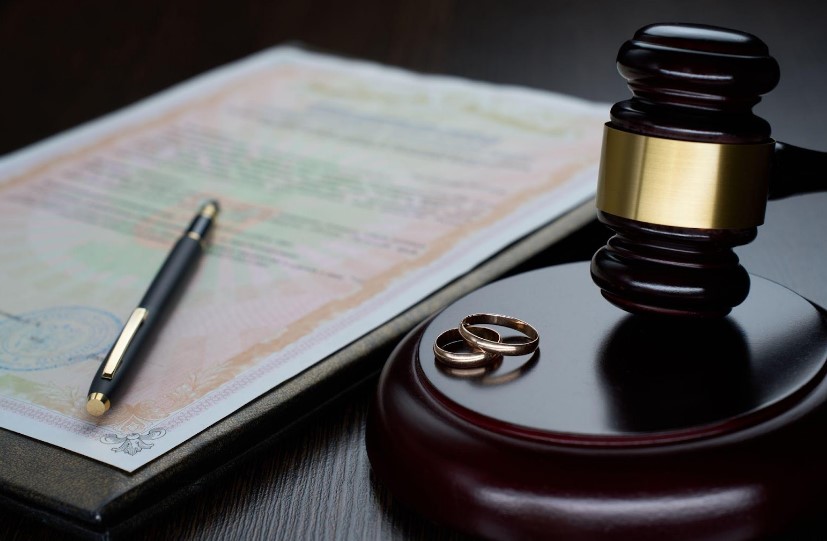
Divorce isn’t just a legal process; it’s an emotional reset.
Those words hold true for many people facing one of life’s toughest transitions. The end of a marriage brings a mix of emotions, uncertainty, and plenty of questions about what comes next. While every situation is different, going through a divorce in California can feel less overwhelming once you understand how the process works.
Here in this piece, you’ll get to know what to expect during the divorce process and how staying grounded can help you move through each step with more clarity and control.
Understanding What Divorce Really Means in California
Divorce is more than just signing papers. It’s a structured legal process that officially ends a marriage while resolving important matters like property division, child custody, and financial support. In California, the process is designed to ensure fairness to both parties, but it can still feel overwhelming if you’re not prepared.
Knowing how California courts handle divorce gives you a clearer idea of what to expect and how to prepare. Since California is a no-fault divorce state, you don’t have to prove that someone did something wrong to end the marriage. Simply stating “irreconcilable differences” is enough. That simplifies the legal part but doesn’t always make it easier emotionally.
Navigating the emotional landscape of divorce can be overwhelming, but having a supportive network and professional guidance can make a significant difference. It’s crucial to prioritize self-care and seek advice from experienced professionals who understand the intricacies of the process. If you’re feeling uncertain about your legal options or need personalized advice, consider taking the time to visit our Irvine law office. Here, you can find the support and expertise necessary to help you make informed decisions and maintain a sense of stability during this challenging time. Remember, reaching out for help is a step towards regaining control and moving forward with confidence.
The Key Stages of the Divorce Process
Here’s what typically happens during a divorce in California:
- Filing the Petition: One spouse files a petition for dissolution of marriage. This starts the legal process.
- Serving the Papers: The other spouse must be formally notified. This step is legally required.
- Response and Disclosure: Both sides share detailed financial information, including assets, income, and debts.
- Negotiation or Mediation: Couples try to reach agreements outside of court on property division, child custody, and support.
- Court Proceedings: If no agreement is reached, a judge makes the final decisions.
- Final Judgment: Once all matters are settled, the court issues a judgment officially ending the marriage.
Each step requires attention to deadlines and documentation. Missing a detail can delay your case or affect your outcome.
Staying Grounded Through the Process
Divorce can easily pull you into stress and confusion. But staying emotionally steady makes it easier to make clear, confident choices. Here are a few simple ways to stay balanced:
- Take it one step at a time. Focus on what’s happening now instead of worrying about every possible outcome.
- Stay organized. Keep copies of all documents and track your deadlines.
- Set boundaries. Limit discussions about the divorce outside necessary conversations.
- Seek support. Talking to a counselor, friend, or advisor can help you manage stress and keep perspective.
- Don’t rush decisions. Some choices, especially financial ones, have long-term consequences. Give yourself time to think clearly.
Legal Guidance Makes a Difference
Divorce laws in California can feel like a maze. Having the right legal guidance ensures you don’t take a wrong turn. If you’re preparing for divorce in California, consulting a qualified attorney early in the process helps you understand your rights, protect your assets, and avoid costly mistakes.
Attorneys experienced with California’s family court system know how to handle paperwork, communicate with the other party, and guide negotiations efficiently. They can also represent you in court if things become more complicated. Whether your divorce is amicable or contested, legal representation gives you a sense of control in an otherwise uncertain time.
Financial and Family Considerations
Money and family responsibilities are often at the center of a divorce. California follows community property laws, which means assets and debts acquired during the marriage are generally divided equally between spouses. Understanding this rule early helps you prepare for discussions about property and financial settlements.
If children are involved, custody and support decisions will depend on what’s considered best for the child. The court evaluates factors such as stability, emotional ties, and each parent’s ability to provide care. Co-parenting agreements are encouraged to maintain a healthy balance for the children.
It’s important to document everything from expenses to parenting schedules so that the process stays fair and transparent.
Final Thoughts
If you’re preparing for a divorce in California, working with an experienced family law attorney can help you navigate the legal steps, avoid common mistakes, and protect your future. Professional guidance ensures that your case is handled correctly and that your rights are always represented with care and precision.