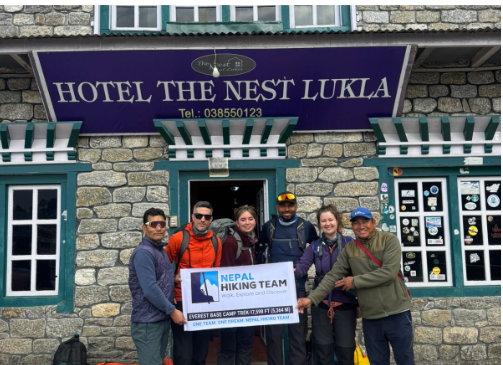
Trekking is a trust-based experience. When you set foot on a trekking trail in a foreign land, you are putting your life in the hands of the people who are leading you. Scenic trails and exciting routes mean nothing if the company that is organizing the trek is unorganized, reckless, and unprepared. That is why reliability and safety should always come first when choosing a trekking provider.
This becomes even more important when travelers choose a local trekking company in Nepal, where high altitudes, sudden weather changes, and rugged landscapes are part of everyday trekking life. Reputable local operators such as Nepal Hiking Team, which have guided trekkers across the Himalayas for many years, demonstrate how responsible planning and experienced guides can make a significant difference in both safety and overall experience.
Local companies can offer incredible insight and authentic journeys, but only those that operate responsibly can deliver a trek that is both enjoyable and secure. Understanding what makes a trekking company successful or unsuccessful provides valuable perspective for travelers preparing for an adventure in Nepal.
Deep Local Knowledge That Comes From Experience
A good trekking company has local knowledge that goes beyond the map. Local knowledge that comes from experience is the kind that comes from watching the seasons change and learning from experience.
A local company with experience knows:
- Which routes are safest at different times of the year
- How weather patterns will behave in certain areas
- Where altitude problems are likely to occur
- When to slow down or change plans
This type of information cannot be substituted by internet research or set itineraries. Trustworthy companies utilize experience to make informed decisions, ensuring the safety of trekkers while still providing a fulfilling experience.
Legal Operation and Professional Standards
One of the most fundamental but essential indicators of a trustworthy trekking company is its legal operation.
Licensed and Accountable
A trustworthy company is registered with the tourism board and adheres to national laws. This means that the company is responsible for its operations, employees, and the safety of clients. It also indicates that the company is not operating on a temporary or unofficial basis.
Insurance and Responsibility
Reputable trekking companies are insured for their guides, porters, and sometimes trekkers as well. This indicates that the company is responsible and thinks in the long term, as opposed to companies that are only interested in short-term gains.
Guides Who Are Trained, Calm, and Responsible
Guides are the representatives of a trekking company, and their conduct may well represent the trekking company’s values.
Skill Over Speed
A good guide is concerned with the safety of the group, not with meeting deadlines. They know how to pace the group, sense when people are tiring or experiencing altitude problems, and plan accordingly.
Human Judgment Matters
Each trekker will respond differently to altitude or terrain. A good guide will watch and listen, and make decisions based on people, not deadlines. This is one of the best ways to determine if a trekking company is safe.
Honest Communication Before and During the Trek
Trust is built through honesty, not through promises.
Clear Expectations
A good trekking company will be very clear about the level of difficulty of the trek. They will not fool people about the ease of trek or the risks involved.
- Walking hours
- Altitude levels
- Accommodation standards
- Possible risks
Each of the above is necessary to provide trekkers with the ability to adequately prepare for their trek and to avoid surprises during their trek.
Open Conversation on the Trail
During the trek, safe companies encourage open communication. Trekkers feel comfortable speaking up about health, fatigue, or concerns. This open environment reduces risks and builds confidence.
Strong Focus on Health and Safety Planning
Emphasis on Health and Safety Planning
Acclimatization and Health Awareness
Reputable trekking companies adhere to the right acclimatization program and inform their clients about the signs of altitude sickness. Health monitoring and rest days are not considered optional activities but are made mandatory.
Emergency Readiness
Companies that are prepared for emergencies have strategies in place for evacuation and communication. Even if such strategies are not used, it is an indication of professionalism and concern for clients.
Thoughtful Logistics and Quality Support
Every successful trek is the result of planned organization.
Food, Water, and Accommodation
Hygiene, safe drinking water, and nutritious food are important to a reputable company. Poor food and sanitation can be detrimental in a physically demanding environment like trekking.
Reasonable Group Sizes
Larger groups can be less secure on difficult terrain than smaller groups. Companies that overload treks often prioritize profits over safety and personal service.
Ethical Treatment of Porters and Staff
The way a company treats its employees reflects its character and reputation.
Responsible trekking companies guarantee:
- Fair wages
- Proper clothing and footwear
- Reasonable load limits
- Insurance and rest
When staff are treated well, they become more motivated, alert, and assistive. This has a direct impact on safety and the overall trekking experience.
Respect for Environment and Local Culture
A good trekking company looks beyond a single adventure.
Environmental Care
Good companies practice good trekking, disposing of trash properly, and advising trekkers to respect nature. Protecting trails and environments keeps routes safe for other adventurers in the future.
Community Respect
Companies that treat the local communities with respect earn their trust. This makes it easier for logistics, cooperation, and the experience for trekkers more genuine.
Reputation Built on Real Experiences
A good trekking company does not overstate in its marketing.
Consistent Reviews
Reviews that are timely, including safety, professionalism, and care, are what you should look for. A review or two doesn’t matter—consistency is key.
Trust Earned Over Years
Those companies that continue to flourish through the power of word-of-mouth recommendations are probably doing so because they treat people well and conduct responsible trekking.
Conclusion
A successful trek is not only measured by the views or peaks—it is measured by how safe, supported, and confident you feel throughout the journey. Knowing what constitutes a reliable and safe local trekking company in nepal helps you make the right decisions.
While selecting a local trekking agency in Nepal, you should not only focus on the price and promises. You need to make sure that the trekking company you choose has proper experience, integrity, and ethics, as well as qualified guides and appropriate safety precautions. A good trekking company will not only lead you to the top of the mountain but will also keep you safe along the way.
If you plan to go trekking, then you need to do some research and ask the right questions before making a decision regarding your trek. If you previously trekked, your experience will be invaluable to other people in making their choice.