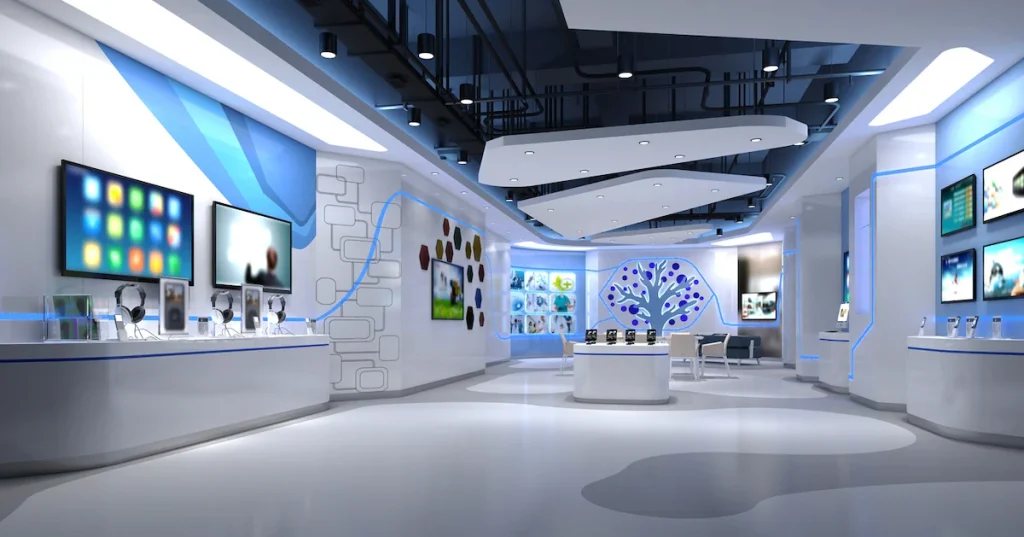
The retail landscape has shifted dramatically over the past few years, yet the physical store remains a cornerstone of consumer engagement. While online shopping offers unmatched convenience, brick-and-mortar spaces provide something digital carts cannot replicate, which is a tangible, sensory experience. If your retail business is experiencing stagnant foot traffic or declining sales conversions, it might be time to look beyond your product lines and evaluate the physical environment itself. A well-executed modern store design has the power to breathe new life into your business. It can transform a simple transactional space into an immersive brand destination that captures attention and encourages long-term customer loyalty.
The Psychology Behind Successful Store Layouts
Great retail design is not just about making a commercial space look attractive. It relies heavily on an understanding of consumer psychology and spatial behaviour. When customers walk through your front doors, they are subtly guided by the environment you have curated. Strategic pathways, deliberate product placement, and clever visual merchandising all work together to influence how long people stay and how much they ultimately spend. This psychological approach helps convert casual browsers into committed buyers.
Understanding these behavioural patterns can give you a significant competitive edge in a crowded market. For example, according to insights from the Forbes Business Council, research shows that 90 percent of American consumers instinctively turn right upon entering a store. This makes that specific right-hand area prime real estate for your highest-margin items or compelling new arrivals. By aligning your physical layout with these natural human tendencies, you can effectively direct customer flow and maximise the commercial potential of every square metre.
Strategic Planning for a Commercial Upgrade
Before tearing down walls or ordering new display units, business owners need a clear and comprehensive strategy. A successful commercial revitalisation requires balancing aesthetic appeal with practical, everyday functionality. You need to consider vital operational factors like accessibility, staff sightlines for security, point-of-sale efficiency, and compliance with local building codes. Creating a cohesive plan ensures that the money you spend on upgrades directly translates into an improved customer experience and increased profitability.
This is where professional expertise becomes invaluable to the renovation process. Attempting a piecemeal upgrade often leads to disjointed results, unexpected budget blowouts, and unnecessary downtime for your trading hours. Instead, partnering with experts who handle shop fitouts in Melbourne ensures that your vision is brought to life safely, efficiently, and to a high commercial standard. Experienced professionals understand how to navigate complex structural requirements while delivering a polished final product that aligns perfectly with your brand identity. They can help you source durable materials and construct layouts that withstand high foot traffic without losing their visual appeal over time.
Key Elements to Include in Your Next Redesign
Modernising your retail space involves a careful selection of specific design elements that collectively enhance the shopper journey. When planning your commercial upgrade, consider incorporating the following key features to maximise your impact on incoming customers.
- Decompression Zones: The first few metres inside your store should be free of clutter and heavy merchandise. This transitional area allows customers to adjust to the new lighting and atmosphere, helping them shift from the busy street outside into your brand’s unique environment.
- Strategic Lighting Design: Lighting is one of the most powerful tools in retail merchandising. Use ambient lighting for overall visibility, accent lighting to highlight specific high-value displays, and task lighting at the checkout counters to facilitate smooth transactions.
- Flexible Fixtures: Retail trends change rapidly, and your store needs to keep pace. Modular shelving and movable display units allow you to refresh your store layout seasonally or for special promotions without incurring major renovation costs.
- Sensory Engagement: Modern store design engages all the senses, not just sight. Thoughtfully curated background music, pleasant signature scents, and high-quality tactile surfaces encourage shoppers to linger longer, which frequently leads to increased basket sizes.
Sustaining Long-Term Growth Through Intelligent Design
Revitalising your retail business through modern store design is a strategic investment in your company’s future. It requires careful planning, an understanding of consumer behaviour, and professional execution to truly succeed. The physical space you operate in should always act as your best salesperson, subtly guiding customers toward making confident purchasing decisions.
By creating an environment that feels welcoming, intuitive, and visually compelling, you do more than just display products. You build a trusted destination that customers want to return to repeatedly. Ultimately, a thoughtfully designed physical store remains one of the most effective tools for building brand loyalty and driving sustained revenue growth in today’s highly competitive market.