Seasonal color matching helps you choose eyeshadow shades that complement your complexion, undertone, and the overall feeling of each season. The right colors can create balanced makeup looks by adjusting warmth, depth, and brightness throughout the year. Spring and summer styles often focus on fresh, lighter tones, while autumn and winter looks typically embrace richer and deeper shades. Understanding how seasonal colors work with your natural coloring makes it easier to select an eyeshadow palette that enhances your features and supports a variety of makeup styles.
Understand the Basics of Seasonal Eyeshadow Color Matching
Connect Seasonal Colors With Warm and Cool Undertones
Seasonal eyeshadow choices often begin with understanding warm and cool undertones. Warm undertones usually pair well with golden, peach, coral, and earthy shades, while cool undertones often complement pink, mauve, blue, and jewel-inspired colors. Neutral undertones can work with a wider range of shades by balancing both qualities. Matching seasonal colors with your undertone helps create harmony between your makeup and natural complexion rather than making shades appear disconnected.
Balance Color Depth, Brightness, and Saturation
Color depth, brightness, and saturation influence how eyeshadow shades appear in different seasonal looks. Lighter and brighter colors often create a fresh appearance for warmer months, while deeper and richer shades add intensity during cooler seasons. Saturation also affects the overall impact, with soft muted colors creating subtle looks and bold tones producing stronger definition. Balancing these elements helps you choose shades that feel appropriate for the season while still complementing your personal coloring.
Use Your Skin Tone and Personal Style to Refine the Match
Your skin tone and personal style help refine seasonal eyeshadow choices beyond basic color categories. Consider whether your complexion looks best with soft neutrals, vibrant shades, or deeper contrasts. Your preferred makeup style also matters, as someone who enjoys natural looks may choose different seasonal colors than someone who prefers dramatic eye makeup. Combining seasonal guidance with your individual preferences creates a more practical approach to selecting shades you will enjoy wearing.
Choose Eyeshadow Colors for Spring and Summer Looks
Build Fresh Spring Looks With Warm and Clear Shades
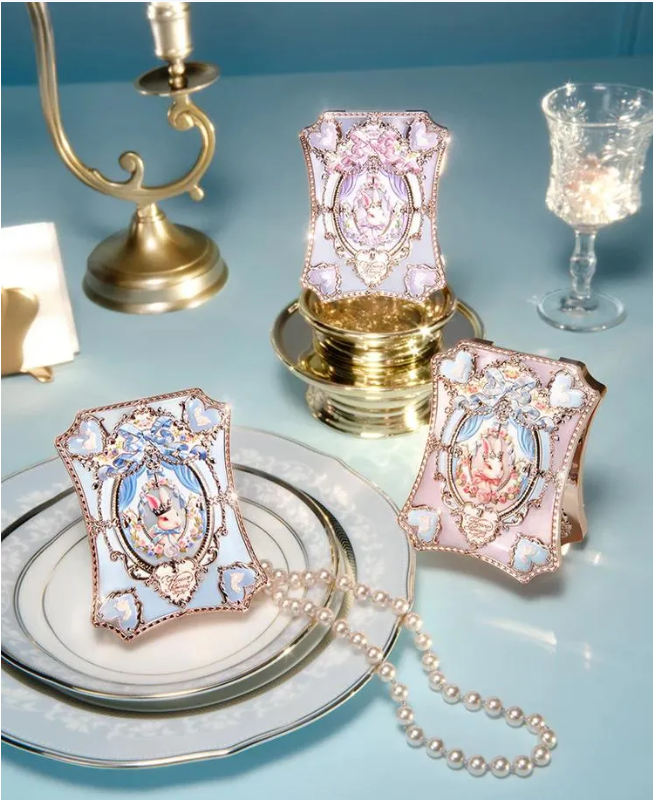
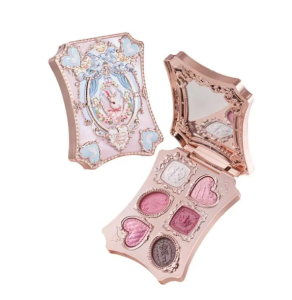
Spring makeup often works well with fresh, clear shades that reflect a lighter and brighter mood. Colors such as soft peach, warm pink, champagne, light gold, and gentle greens can create a vibrant yet balanced appearance. The Flower Knows Bunny Garden 6-Color Makeup Palette in 03 Ruby Berry – Sugar Strawberry offers a playful combination of two matte shades, Alabaster and Sugared Peach, two shimmer shades, Rosy Gleam and Peach Glow Dust, and two satin shades, Raspberry and Mocha Truffle. The soft peach and rosy tones can complement fresh spring-inspired looks, while the richer raspberry and mocha shades offer options for adding depth and contrast. Combining lighter colors with subtle shimmer creates a bright, balanced eyeshadow style, while the deeper tones allow for more expressive seasonal looks. Choose shades with a suitable level of intensity to create spring eye makeup that complements your complexion and personal style.
Create Soft Summer Looks With Cool and Muted Colors
Summer eyeshadow looks often benefit from cool and muted colors that create a softer appearance. Shades like dusty rose, lavender, taupe, soft gray, and muted blue can provide a refined seasonal effect. These colors work well when you want a more relaxed and blended makeup style. Choosing less intense shades allows the eyeshadow to look smooth and balanced, especially for daytime looks. A palette with gentle cool tones can help create elegant summer makeup without overwhelming the overall appearance.
Adjust Shimmer and Matte Finishes for Warmer Weather
Warmer weather often calls for thoughtful use of eyeshadow finishes. Matte shades can create a soft, natural base, while shimmer finishes add brightness and dimension without requiring heavy layering. Lighter shimmer shades can highlight the eyelids or inner corners, while matte tones help maintain structure. Choosing breathable and balanced combinations of finishes allows your seasonal makeup to remain comfortable and polished. The right mix of textures can make spring and summer eyeshadow looks more versatile.
Match Your Eyeshadow Palette to Autumn and Winter Colors
Use Rich Earthy Shades for Warm Autumn Looks
Autumn eyeshadow looks often feature rich earthy shades inspired by seasonal tones. Colors such as bronze, copper, terracotta, warm brown, olive, and deep amber create a natural connection with autumn palettes. These shades add warmth and depth while complementing cozy seasonal makeup styles. Combining earthy transition colors with broader accents allows you to create dimension without making the look appear too intense. An autumn-focused colorful eyeshadow palette should include shades that provide warmth, balance, and easy blending.
Choose Deep and High-Contrast Colors for Winter Makeup
Winter makeup often benefits from deeper colors and stronger contrast. Shades such as charcoal, plum, emerald, navy, and rich berry tones can create a more defined seasonal appearance. High-contrast colors help add drama and structure while working well with cooler winter styles. When using deeper shades, blend carefully to maintain a polished finish. A winter eyeshadow palette with bold yet balanced colors allows you to create sophisticated looks that highlight the eyes.
Add Metallic and Dimensional Finishes for Seasonal Depth
Metallic and dimensional finishes can enhance autumn and winter eyeshadow looks by adding richness and visual interest. Gold, bronze, silver, and reflective jewel tones can create depth when placed strategically on the eyelid or inner corner. These finishes work especially well with deeper seasonal shades because they add contrast and brightness. Combining matte foundations with metallic accents creates a balanced effect that feels polished rather than overwhelming. Thoughtful layering helps achieve a more dynamic seasonal makeup style.
Conclusion
Choosing eyeshadow colors based on seasonal color matching helps create makeup looks that feel balanced, flattering, and connected to the time of year. Warm and cool undertones, color depth, brightness, and personal style all influence which shades work best. Spring and summer looks often benefit from fresh, softer colors, while autumn and winter styles can embrace richer tones and stronger contrasts. By understanding seasonal color principles and applying them to your eyeshadow palette choices, you can create versatile eye makeup looks that complement your features throughout the year.