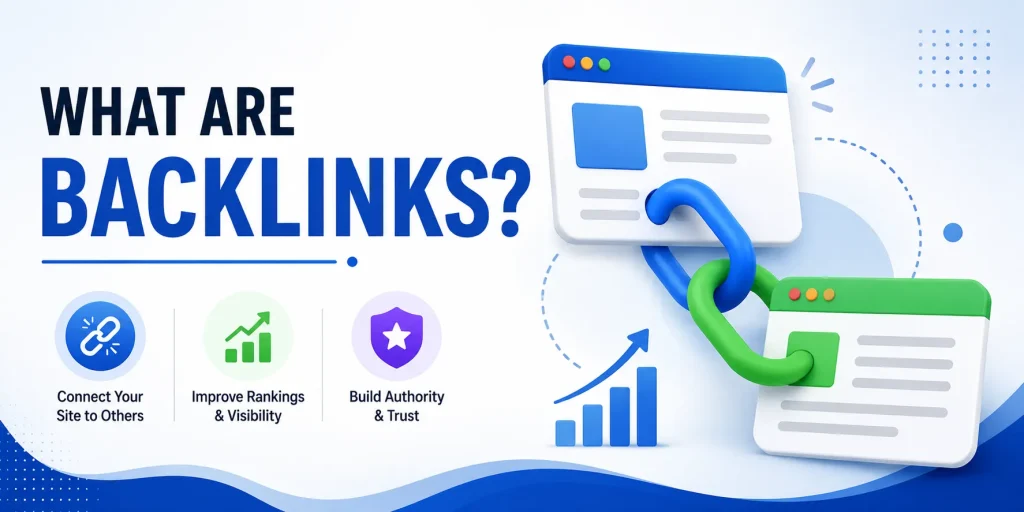
Backlinks can help a useful page reach new readers, earn referral visits, and support a stronger search presence over time. The safest approach is not chasing the highest possible link count. It is creating resources people genuinely want to cite, then building relationships with relevant publishers. For a closer look at a quality-first approach, get more details here.
Effective link building should support a wider marketing and SEO plan. Great links cannot compensate for thin content, confusing navigation, slow pages, or an offer that does not meet visitors’ needs. When the destination page is genuinely helpful, however, outreach becomes more credible, and every earned mention has a better chance to create lasting value.
Do Backlinks Still Matter
Yes, but context matters far more than volume. Links can help search engines discover pages and understand how information connects across the web. More importantly, an editorial mention from a trusted, relevant publication can introduce a business to qualified readers, create partnership opportunities, and send visitors who are already interested in the topic. A handful of relevant links may be more useful than hundreds from unrelated websites.
What Makes A Backlink Useful?
A useful backlink serves the reader first. The basic types of link building include editorial mentions, resource links, guest contributions, and acquired placements, but the method matters less than whether the placement makes sense. Review each opportunity using this checklist:
- Topical relevance: The linking page and destination page address closely related subjects.
- Editorial context: The link appears naturally within useful content, not in an unrelated block of text.
- Reader value: Someone who clicks has a clear reason to learn more.
- Site quality: The publisher has real ownership, original content, and a maintained audience.
- Natural anchor text: The clickable words describe the page without forced keywords.
- Stable placement: The page is likely to remain helpful and accessible over time.
Step 1: Audit The Website And Its Content
Start by improving what people will see after they click. List pages that already bring in traffic, leads, sales, or brand mentions. Then identify pages with strong information but few referring domains. Check for stale statistics, broken links, thin explanations, unclear authorship, and weak internal links. Choose one specific goal, such as attracting readers to a guide or earning inquiries for a service page.
For example, a local home services company may refresh its pricing guide with current ranges, clear service inclusions, frequently asked questions, and advice on comparing quotes. That upgraded page is much easier for neighborhood publications, homeowners’ groups, and related businesses to reference than a short sales page.
Step 2: Create Content Worth Citing
Link earning begins with a page that gives publishers a reason to mention it. Strong assets often include original surveys, data studies with understandable charts, calculators, templates, checklists, expert interviews, first-hand case studies, local resource pages, and fair comparisons that explain trade-offs. The goal is to answer a real question better than a generic summary can.
Build pages for people who would find them useful even if search traffic did not exist. Google’s guidance on helpful, reliable, people-first content emphasizes original information, demonstrated expertise, clear sourcing, and a satisfying reader experience. Those same qualities make a page easier for editors to trust and cite.
Step 3: Find Relevant Link Prospects
Prospecting should be selective, not automated. Search for publications, associations, local organizations, universities, nonprofits, blogs, and resource pages that already cover the same audience or subject. Read several pages before reaching out, then record the contact name, page URL, relevant topic, and your specific reason for contacting them.
- Does the site serve an audience that would benefit from your resource?
- Does it publish original, maintained work?
- Would the proposed link improve the reader’s experience?
- Does the site appear to review submissions instead of accepting everything?
Step 4: Write Better Outreach Messages
Good outreach is short, specific, and useful. Address the person by name when possible, mention a particular article, explain the audience fit, and offer one relevant resource or contribution idea. Make the next step easy, such as asking whether they would consider reviewing a guide or whether a broken reference should be updated.
A simple framework is: “I enjoyed your guide to [topic], especially the section on [detail]. We recently published [resource], which includes [specific value]. If you are updating that section, it may be useful to your readers.” Avoid vague praise, lengthy company introductions, exact-match anchor demands, and repeated follow-ups.
Link-Building Methods With Lasting Value
Guest Contributions
Contribute original advice, examples, or data to a publication with a relevant audience. Any link should support the article, not distract from it.
Broken-Link Outreach
Find a dead resource on a relevant page, offer a genuinely useful replacement, and identify the exact broken location for the editor.
Digital Public Relations
Pitch an understandable story based on original research, local findings, expert commentary, or timely information. Make claims easy to verify.
Partner And Community Links
Support relevant suppliers, nonprofits, chambers, associations, and community groups with useful resources, sponsorship information, or shared events.
Link Reclamation
Look for unlinked brand mentions, outdated URLs, and incorrect references. A polite correction request can improve the publisher’s page and help readers reach the right destination.
Warning Signs Of A Risky Link
- The provider guarantees rankings or sells large batches of links.
- The site publishes unrelated topics with little editorial consistency.
- Near-identical articles appear across multiple domains.
- Links are pushed into footers, sidebars, author boxes, or irrelevant paragraphs.
- The publisher insists on exact-match anchor text for every placement.
- The offer focuses only on third-party metrics and ignores relevance or audience value.
Review quality before accepting a placement. A high score in a third-party tool does not automatically mean a website is trusted by real readers or appropriate for your business.
How To Measure Progress
Measure outcomes, not just link totals. Track quality referring domains, referral visits, engagement after the click, search visibility for the linked pages, conversions such as inquiries or downloads, and whether placements remain live. A practical 90-day plan is to spend days 1 through 30 auditing pages and preparing assets, days 31 through 60 conducting focused outreach, and days 61 through 90 reviewing placements, traffic, visibility, and conversion activity.
Common Questions About Backlinks
How Many Backlinks Does A Website Need?
There is no universal number. It depends on the competition, topic, existing site strength, and usefulness of the page being promoted.
Are All Backlinks Good For SEO?
No. Relevance, context, trust, and reader value are more meaningful than sheer quantity.
Should Every Link Use The Same Anchor Text?
No. Natural variation, including brand names, page titles, descriptive phrases, and plain URLs, is more realistic.
Can A Small Business Build Links In-House?
Yes. Start with local partnerships, customer stories, community resources, and a small number of focused industry contributions.
Final Takeaway
The strongest backlink strategies start with pages worth sharing, target publishers with a real audience, and respect readers’ time. Steady progress comes from original information, relevant relationships, and careful quality checks, not risky shortcuts or inflated link counts.